|
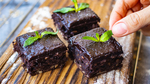
This unit is your introduction to the course, which will get you ready to cook and set for success. You'll learn the basic philosophy of the Forks Over Knives dietary plan beginning with shopping, and stocking your kitchen with the necessary ingredients and tools. |
|
Orientation
|
Welcome & Introduction
- Task 1: Welcome to Your 90-Day Whole-Food Reset!
- Task 2: Unit Introduction & Outcomes
- Task 3: Meet Your Instructors
- Task 4: Rouxbe Learning Strategies
- Task 5: How to Prepare for This Unit
- Task 6: Complete Your Self Assessment
- Task 7: Unit Pre-Evaluation
|
|
|
The Whole-Food, Plant-Based Lifestyle
- Task 8: The Whole Food Plant-Based Lifestyle | Introduction
- Task 9: Understanding the WFPBNO Way of Eating
- Task 10: What to Eat — What to Avoid
- Task 11: The Problems with Processed Products
- Task 12: Activity | Find the Whole Foods
|
|
|
Introduction to Plant-Based Nutrition
- Task 13: Focus on Balance, Not Single Nutrients
- Task 14: Nutrition from Whole Plant Foods
- Task 15: Understanding Labels & Ingredients
|
|
|
Setting Up Your Whole Food Kitchen
- Task 16: Resetting Your Refrigerator & Pantry | Introduction
- Task 17: Shopping Strategies
- Task 19: Stocking Your Pantry & Fridge
- Task 20: Kitchen Reset Photo Share
|
|
|
Introduction to Kitchen Tools & Equipment
- Task 21: Cooking Equipment & Tools | Introduction
- Task 22: Kitchen Tools & Equipment: An Overview
- Task 23: Mise en Place and Storage Containers
|
|
Review
|
Unit Review & Evaluation
- Task 24: Unit Review & Quiz Preparation
|
End of Unit 1
|
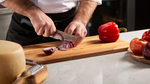
This unit charts a path for you to become more comfortable and proficient handling a knife. Since a knife is the most important tool in the kitchen, we offer guidance on how to select and care for your knives while giving you ample opportunity to practice your skills.
|
|
Orientation
|
Unit Introduction
- Task 26: Unit Introduction & Outcomes
- Task 27: How to Prepare for This Unit
- Task 28: Complete Your Self-Evaluation
- Task 29: Unit Pre-Evaluation
|
|
|
Knives & Knife Sets
- Task 30: Selecting Your Kitchen Knives
- Task 31: Label the Parts of a Chef's Knife
|
|
|
Handling Your Chef's Knife
- Task 32: Activity | Practice with a Bench Scraper
|
|
|
Cutting with a Chef’s Knife
- Task 33: How to Cut with a Chef's Knife
- Task 34: Activity | Label Knife Cuts
- Task 35: Dicing Ingredients Image Share
|
|
Review
|
Unit Review & Assessment
- Task 36: Unit Review & Quiz Preparation
|
End of Unit 2
|
This unit focuses on moist-heat cooking methods, such as steaming, submersion, simmering and boiling, and the importance of preserving vegetable pigments for health and presentation. It also addresses how to properly finish steamed vegetables for extra flavor and appeal.
|
|
Orientation
|
Unit Introduction
- Task 38: Unit Introduction & Outcomes
- Task 39: How to Prepare for This Unit
- Task 40: Complete Your Self-Evaluation
- Task 41: Unit Pre-Evaluation
|
|
|
How to Steam Vegetables
- Task 42: The Fundamentals of Steaming
- Task 43: The Steaming Method
- Task 44: Flavoring Steamed Vegetables
- Task 45: Activity | Reorder These Steps: Steaming
|
|
|
Vegetable Pigments
- Task 46: How to Preserve Vegetable Pigments
|
|
|
Submersion Cookery for Vegetables
- Task 47: Submersion Methods
- Task 48: Techniques for Cooking in Liquid
- Task 49: Activity | Blanching & Parboiling
|
|
Review
|
Unit Review & Assessment
- Task 50: Unit Review & Quiz Preparation
|
End of Unit 3

|
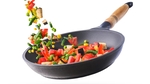
This unit focuses on dry-heat cooking methods. It will introduce some foundational knowledge on how to heat a pan and how to correctly sauté vegetables without the use of oil. This unit also covers the techniques of sautéing, roasting, and building flavor without the use of refined fats. |
|
Orientation
|
Unit Introduction
- Task 52: Unit Introduction & Outcomes
- Task 53: How to Prepare for This Unit
- Task 54: Complete Your Self Assessment
- Task 55: Unit Pre-Evaluation
|
|
|
The No-Oil Sauté
- Task 56: Sautéing without Oil | Introduction
- Task 57: Heating Your Pan Properly
- Task 59: The Caramelization Process
- Task 60: Activity | Reorder: No-Oil Sauté
- Task 61: Activity | No-Oil Sautéing
|
|
|
How to Roast without Oil
- Task 62: Roasting Vegetables
- Task 63: Tips for Roasting Without Oil
- Task 64: What About Air Fryers?
- Task 65: Activity | Reorder the Steps: Roasting Vegetables
- Task 66: Activity | Practice Roasting Vegetables
|
|
|
Combining Moist & Dry Heat Methods
- Task 67: Fundamentals of Combination Cooking
- Task 68: Braising without Oil
- Task 69: Combination Cooking Tips
- Task 70: Making Reductions & Concentrates
- Task 71: Lesson Practice Recipes
|
|
Review
|
Unit Review & Assessment
- Task 72: Unit Review & Quiz Preparation
|
End of Unit 4
|
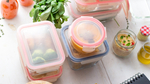
This unit introduces you to the concept of batch cooking whole grains, legumes and rice. Batch cooking is a process that will help you prepare ingredients ahead of time. It makes menu planning more efficient and helps you stock up so that throughout the week you are set up for success in the kitchen. |
|
Orientation
|
Unit Introduction
- Task 74: Unit Introduction & Outcomes
- Task 75: How to Prepare for This Unit
- Task 76: Complete Your Self Assessment
- Task 77: Unit Pre-Evaluation
|
|
|
Meal Prep & Batch Cooking | Introduction
- Task 78: Intro to Batch Cooking
- Task 79: Batch Cooking Basics
- Task 80: How to Prepare for Batch Cooking
- Task 81: Prepping Fresh Ingredients
- Task 82: Make Your Own Salad Bar
- Task 83: Stir-Frying Leftover Veggies
- Task 84: Creative Ways to Use Prepped Ingredients
|
|
|
Whole Grain Cookery
- Task 86: Steaming & Boiling Methods for Cooking Rice
- Task 87: Activity | Label the Wheat Schematic
- Task 88: Cooking Times & Ratios for Grains
- Task 89: Food Safety for Cooked Grains
- Task 90: Whole Grain Varieties
- Task 91: Lesson Practice | Recipes
|
|
|
Cooking Legumes
- Task 92: Using Dried Legumes
- Task 93: Cooking Times & Ratios for Legumes
- Task 94: Getting Creative with Legumes
- Task 95: Activity | Using Legumes Two Ways
- Task 98: Lesson Practice Recipes
|
|
|
Pressure Cooking
- Task 99: Using Pressure Cookers
- Task 100: Pressure Cooking Explained
- Task 101: How to Use a Pressure Cooker
- Task 102: Pressure Cooker Design & Safety Features
|
|
Review
|
Unit Review & Assessment
- Task 103: Unit Review & Quiz Preparation
|
End of Unit 5
|
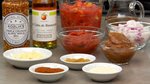
This unit focuses on seasoning and flavor combinations. We'll discuss the importance of finishing with salt and using whole food fats, acids, sweeteners, herbs and spices. We will also show you how to use them to create balanced, exciting flavor profiles in your recipes and menus.
|
|
Orientation
|
Unit Orientation
- Task 105: Unit Introduction & Outcomes
- Task 106: How to Prepare for This Unit
- Task 107: Complete Your Self Assessment
- Task 108: Unit Pre-Evaluation
|
|
|
Basic Seasoning & Reducing Sodium
- Task 109: Building Flavor When Reducing Sodium
- Task 110: Taste, Flavor & Aroma
- Task 112: How to Use Finishing Salt
- Task 113: How to Change Recipes Containing Oil or Salt
- Task 114: DIY Seasoning Blends
|
|
|
Whole Food Fats
- Task 115: Introduction to Whole Food Fats
- Task 116: Whole-Food Fats for Balanced Flavor
- Task 117: Using Whole Food Fats
|
|
|
Working with Sweeteners
- Task 118: Using Whole-Food Sweeteners
- Task 119: Selecting Sweeteners
- Task 120: Making & Using Fruit Pastes
|
|
|
Acids: Vinegar, Alcohol & Citrus
- Task 121: Introduction to Acids
- Task 122: Selecting & Using Vinegars
- Task 123: Identifying High-Quality Balsamic Vinegar
- Task 124: Using Citrus & Alcohol
- Task 125: The Acid Taste Test
|
|
|
Herbs & Spices
- Task 126: Cooking with Herbs | Introduction
- Task 127: Herb & Spice Combinations
- Task 128: How to Toast & Grind Spices
- Task 129: Lesson Practice Recipes
|
|
Review
|
Unit Review & Assessment
- Task 130: Unit Review & Quiz Preparation
|
End of Unit 6

|
In this unit, you will explore everyday staples and foundational recipes to help you build plant-based menus. In this unit, you will learn how to adapt familiar foods and Forks Over Knives staple items such as stocks, soups, dressings, and sauces without the use of refined oils. This unit also covers the multiple ways to create dairy alternatives in your home kitchen. |
|
Orientation
|
Unit Orientation
- Task 132: Unit Introduction & Outcomes
- Task 133: How to Prepare for This Unit
- Task 134: Complete Your Self Assessment
- Task 135: Unit Pre-Evaluation
|
|
|
Plant-Based Stocks
- Task 136: Introduction to Stocks
- Task 137: Vegetable Stock
- Task 138: Activity | Make a Vegetable Stock
- Task 139: Activity | Make a Clear Soup
|
|
|
Stocks, Soups & Stews
- Task 140: Introduction to Plant-Based Soups
- Task 141: Legume-Based Soups
- Task 142: Tomato-Rich Soups & Stews
- Task 143: Creamy Vegetable Soups
- Task 145: Lesson Practice Recipes
|
|
|
Oil-Free Dressings & Marinades
- Task 146: Introduction to Dressings & Marinades
- Task 147: How to Build Oil-Free Dressings & Marinades
- Task 148: Activity | Prepare a No-Oil Dressing or Marinade
|
|
|
No-Oil Base Sauces
- Task 149: Introduction to Base Sauces
- Task 150: Cashew Béchamel |Oil-Free White Sauce
- Task 151: Oil-Free Tomato Sauce
- Task 152: Brown Gravy Without Oil
|
|
|
Plant-Based Dairy Alternatives
- Task 153: Introduction to Dairy Alternatives
- Task 154: Plant-Milks: The Rise of Dairy-Free Alternatives
- Task 155: Converting Recipes: Points to Consider
- Task 156: Plant-Based Milks & Shakes
|
|
Review
|
Unit Review & Assessment
- Task 159: Unit Review & Quiz Preparation
- Task 160: Unit 7 Assessment Quiz
|
End of Unit 7

|
This unit highlights how you can make plant-based choices all day, and all week, long. It focuses on recipes and techniques that you can use to build healthful and delicious breakfasts, lunches and dinners. It also discusses how to repurpose ingredients throughout the week to save both time and money.
|
|
Orientation
|
Unit Introduction
- Task 161: Unit Introduction & Outcomes
- Task 162: How to Prepare for This Unit
|
|
|
Time for Breakfast!
- Task 163: Time for Breakfast! | Introduction
- Task 164: The Better Breakfast Bowl
- Task 165: Building Breakfast Bowls
- Task 166: Breakfast Ideas
|
|
|
It's Lunchtime!
- Task 167: It's Lunchtime! | Introduction
- Task 168: Selecting & Preparing Salad Greens
- Task 169: Activity | Make a Salad with Grains or Beans
|
|
|
Let's Have Dinner!
- Task 172: Let's Have Dinner! | Introduction
- Task 173: Build a Better Burger
- Task 174: Easy One-Pot Meals
|
|
|
Who Wants Dessert?
- Task 176: Who Wants Dessert? | Introduction
- Task 177: Satisfying Chocolate Recipes
- Task 178: More Dessert Inspiration
- Task 179: Activity | Share a Meal with your Classmates
|
End of Unit 8

|
This is where it all comes together. In this unit, you will be given your final assessment on the material that is covered in the preceding units. |
|
|
Course Review & Final Assessment
- Task 180: Survey | Share Your Course Feedback
- Task 181: Your Final Exam Preparation
- Task 182: Final Course Assessment
- Task 183: Books, Websites & Other References
- Task 184: Course References: Charts & Guides
|
End of Unit 9
|
Course Description
This comprehensive 90-day online course is designed to empower home cooks, healthcare professionals, and food enthusiasts with the knowledge and techniques needed to create vibrant, nourishing meals rooted in a whole-food, plant-based lifestyle. With an emphasis on low fat, no oil, low salt, and low sugar cooking, the course focuses on using minimally processed ingredients to maximize both flavor and health benefits. Participants will learn not just what to cook—but how to cook with confidence and creativity using foundational culinary techniques.
Led by experienced plant-based chef educators, this immersive training offers over 70 hours of high-quality instruction, engaging videos, interactive assignments, and hands-on practice. You'll explore professional-level methods that are accessible to all, from knife skills and flavor balancing to advanced meal planning and presentation. You’ll also receive lifetime access to the course, allowing you to return to lessons and resources at your own pace, along with a Certificate of Completion to showcase your learning.
Course Highlights
- Created using the basics of plant-based cooking techniques
- Hundreds of whole-food, plant-based recipes
- Over 80 instructional lesson videos
- Fun interactive quizzes
- Over 90 hours of learning and cooking time
- Instructor-graded activities
- 9 Units, 45 Lessons and over 190 tasks
- Earn credits from the American Culinary Federation Education Foundation
Course Objectives
- Understand and apply key principles of whole-food plant-based nutrition
- Demonstrate knife handling and a variety of knife cuts
- Demonstrate moist cooking methods, such as steaming and simmering
- Demonstrate dry cooking methods such as roasting, and sautéing without oil
- Develop flavor using herbs, spices and other ingredients
- Understand principles of flavor balancing, building, layering and seasoning
- Learn how to prepare delicious desserts
- Plan and organize daily meals and apply principles of batch cooking
- Prepare a wide array of plant-based staple recipes for breakfast, lunch and dinner
|