|
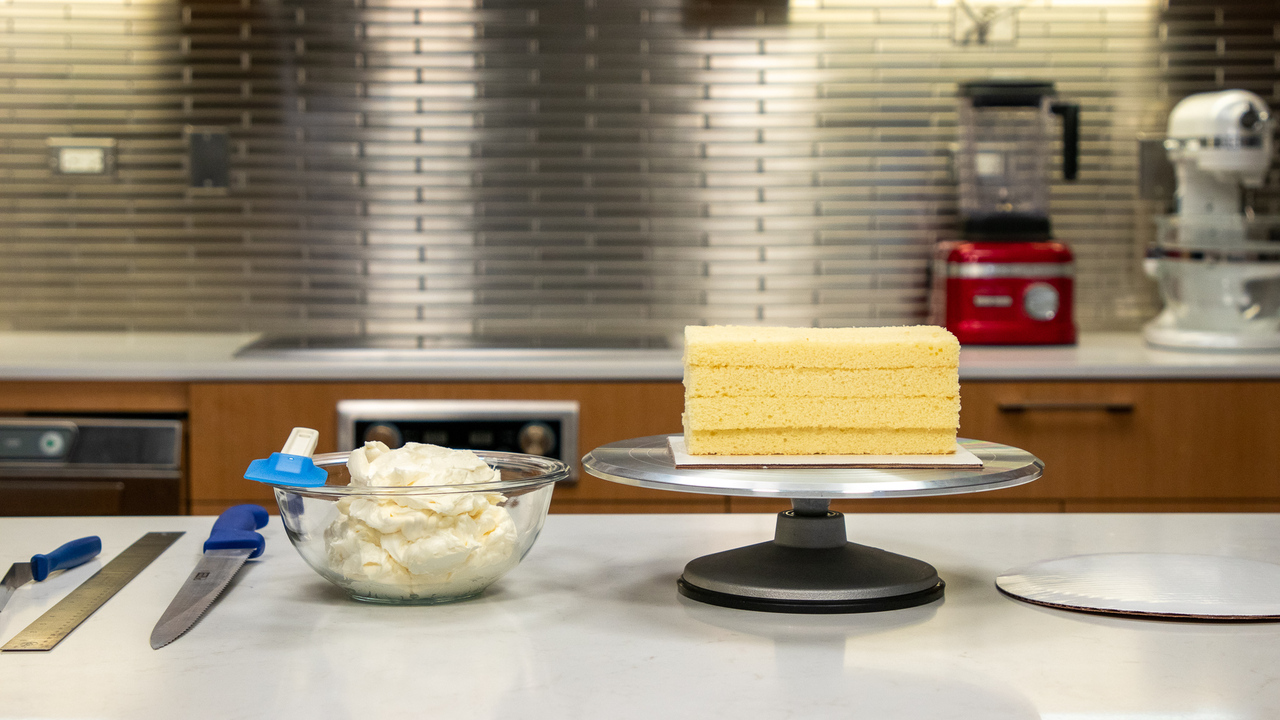
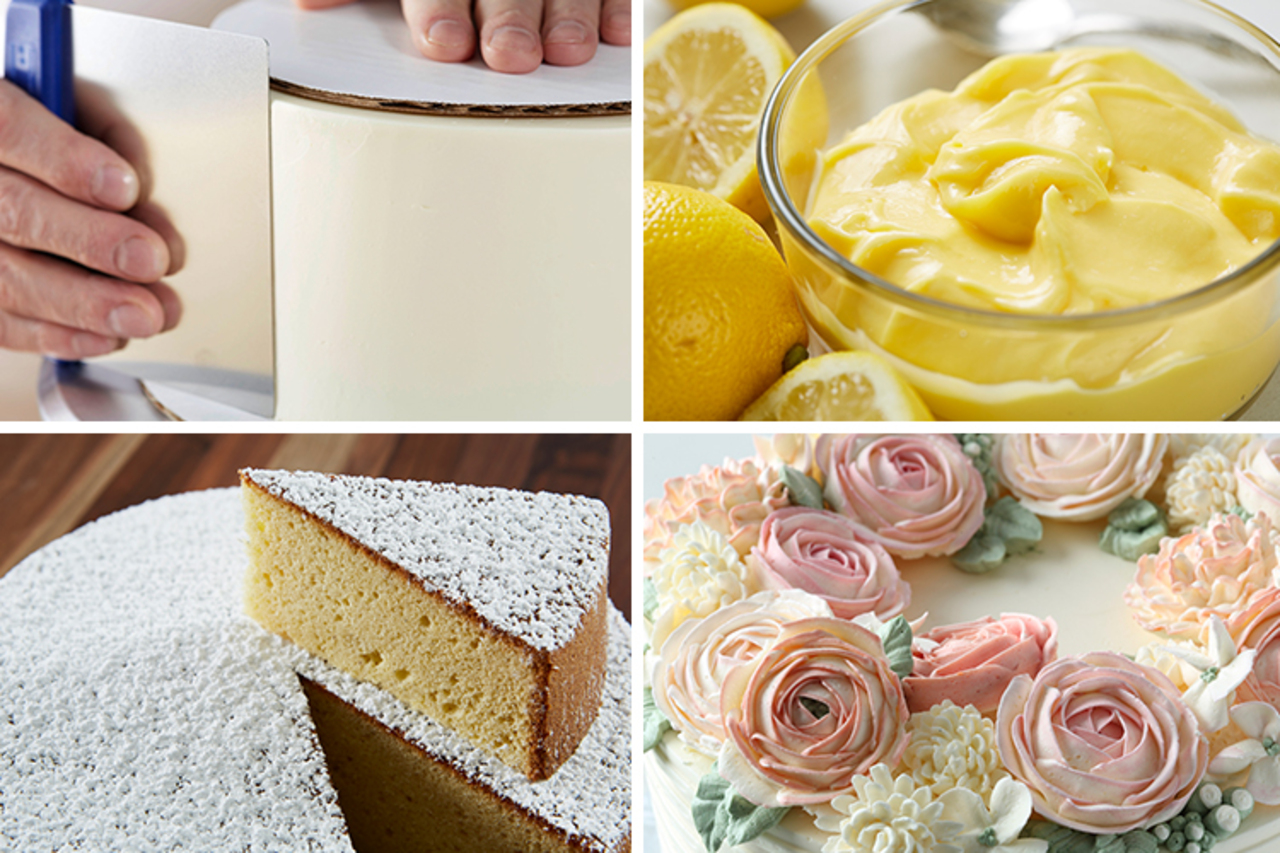
It’s important first to learn the basics; we start with the principle of making cakes, fillings, and coverings. Understanding the science and the ingredient interactions will strengthen your basic knowledge and transcend to your own personal recipe development later. |
|
|
Course Orientation
- Task 1: Welcome to Cake Baking and Decorating Basics
- Task 2: About the French Pastry School
- Task 3: Program Layout & Objectives
- Task 4: Course Expectations
- Task 5: Course Evaluations and Assessments
- Task 6: Our Expert Chef Support System
- Task 7: Key Course Resources & Master Equipment Lists
- Task 8: Cake Decorating Principles
- Task 9: The Sense of Taste
- Task 10: Set Realistic Goals & Practice Self-Discipline
|
End of Unit 1
|
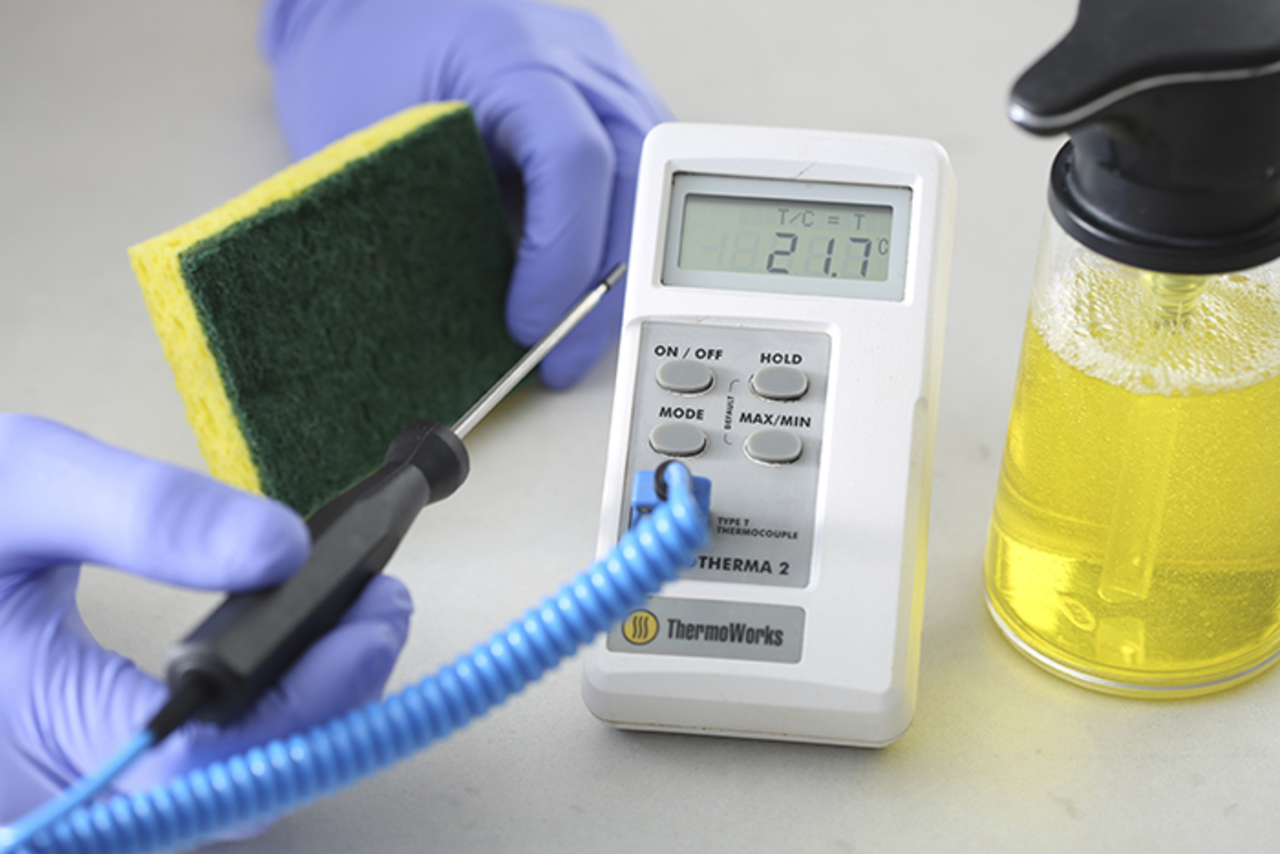
This unit contains several areas of focus: food safety, the basics of baking, and the importance of scaling. We consider these topics an essential aspect of your baking foundation. We will start with food safety or sanitation. |
|
|
Unit Introduction
- Task 11: Unit Introduction and Objectives
- Task 12: Complete a Self-Assessment & Pre-Assessment
|
|
|
Basics of Sanitation
- Task 13: Basics of Sanitation
- Task 14: Understanding Bacteria
- Task 15: Proper Cooking Temperatures, Thawing & Storing Food
- Task 16: Cake Decorating Principles: FIFO, First In, First Out
|
|
|
Basics of the Baking Process
- Task 18: Steam and Oven Vents
- Task 19: Activity | Calibrating Your Oven
- Task 20: Measuring with a Digital Scale
- Task 21: Using a Scale & Volumetric Measuring
- Task 22: Activity | Measuring Versus Scaling Flour
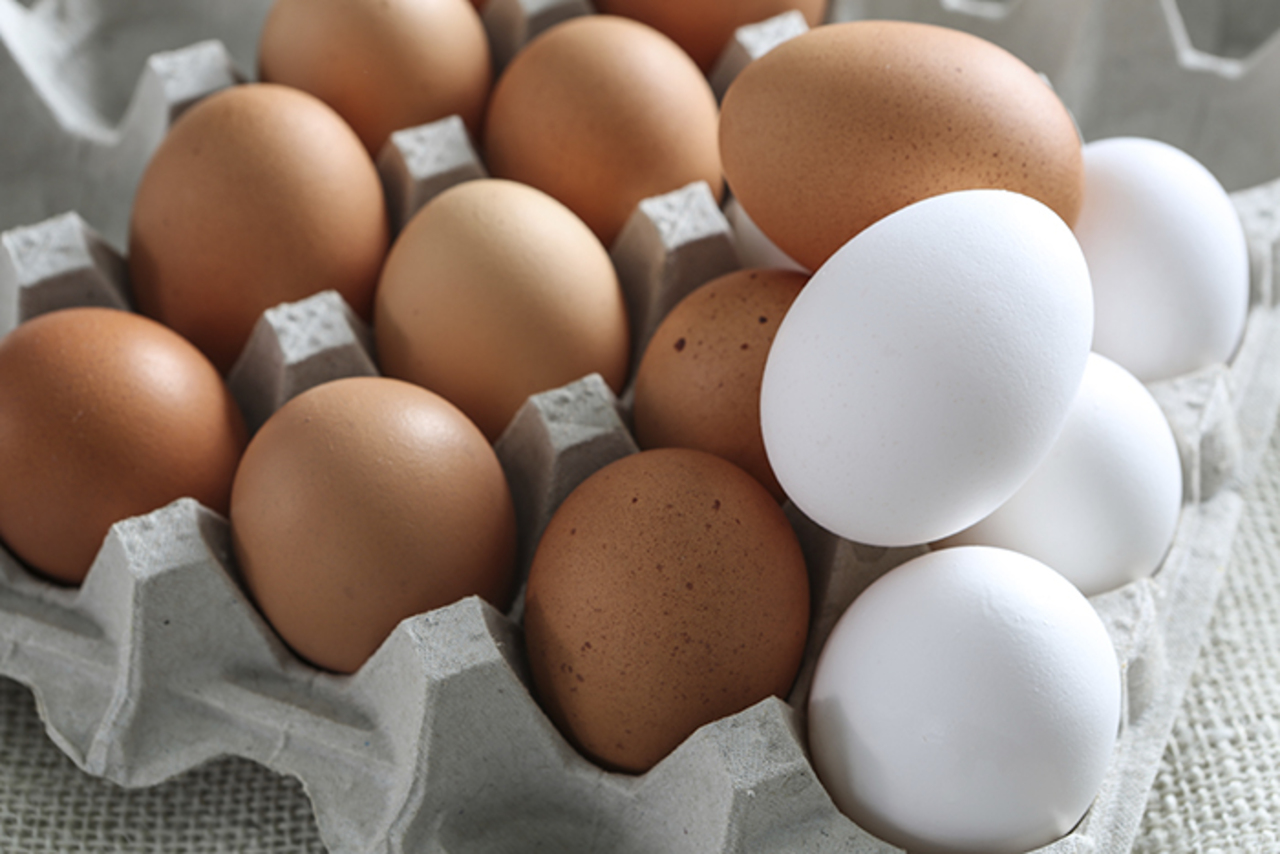
- Task 23: Activity | Measuring Versus Scaling Eggs
|
|
|
Unit Review & Assessment
- Task 24: Unit Review & Quiz Preparation
|
End of Unit 2
|
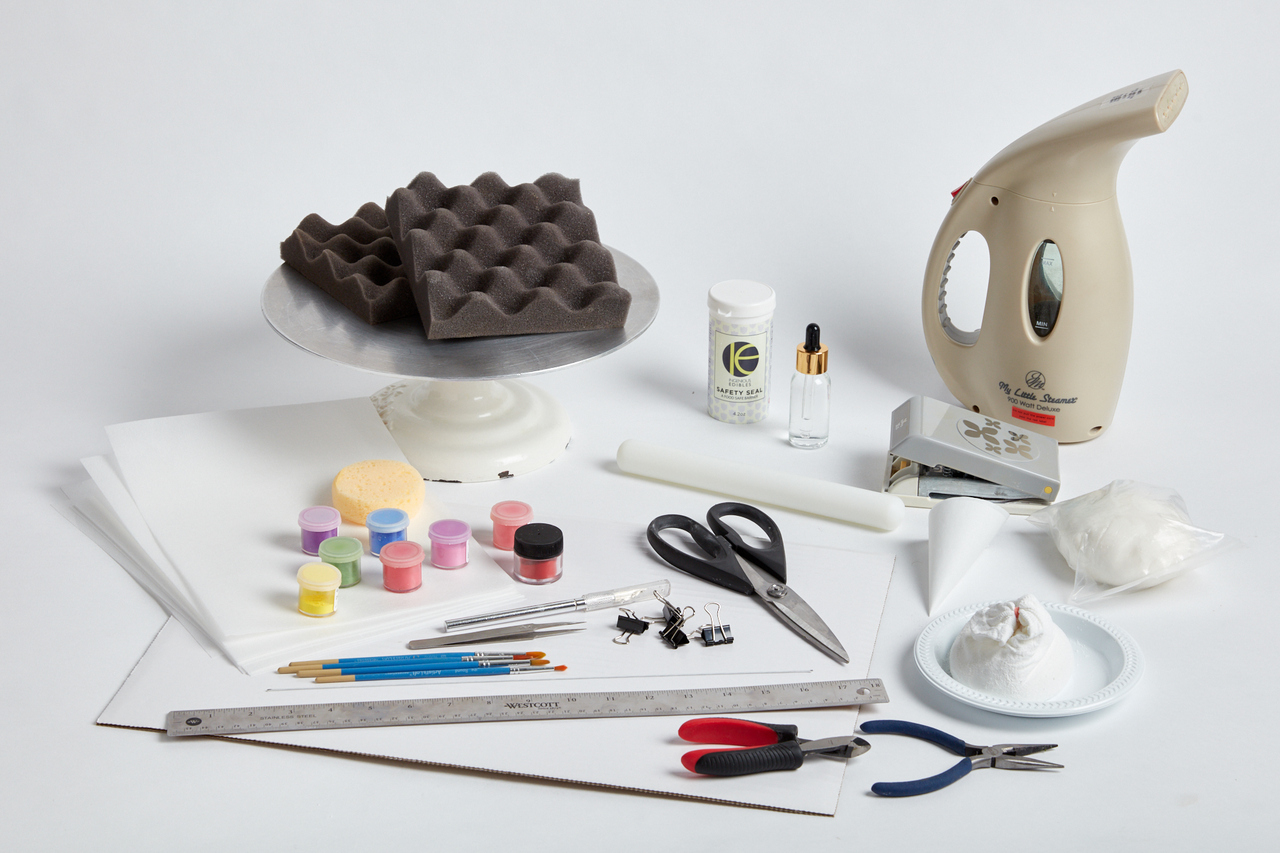
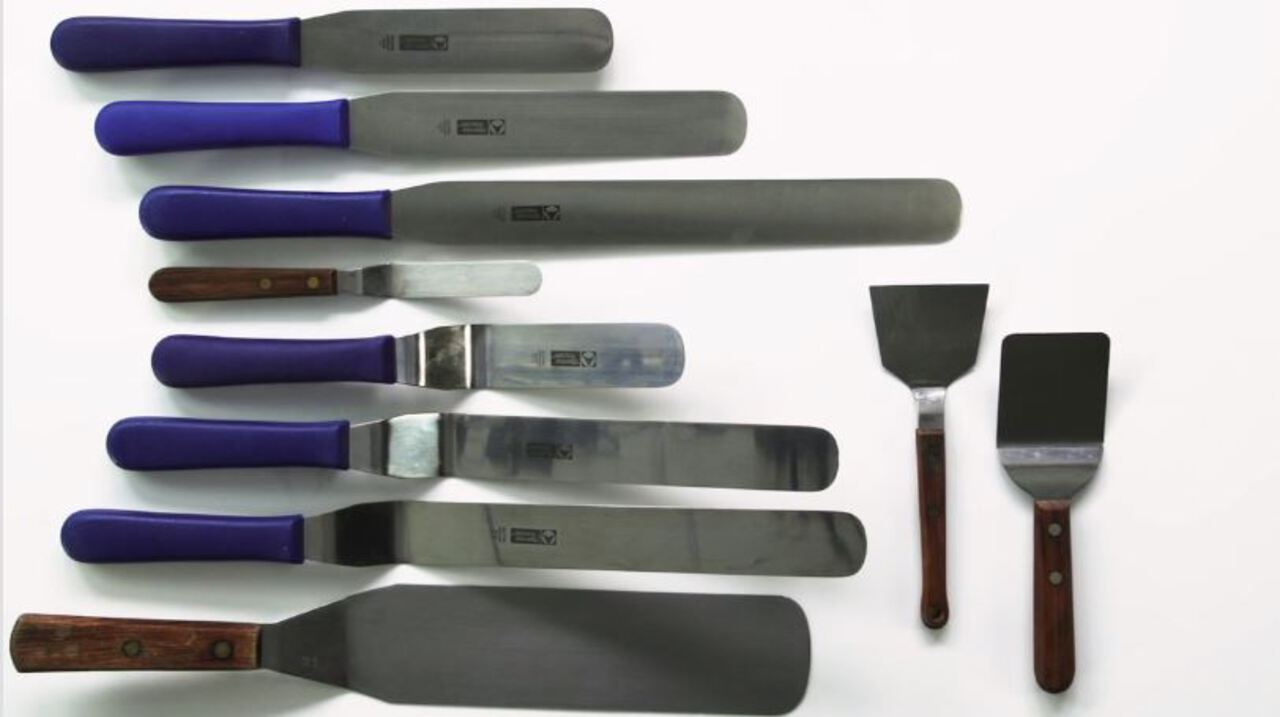
One of the essential pieces of advice we can offer is to use the right tool for the right job. Using the right tool can mean the success or failure of a recipe, so this lesson introduces you to some of the most commonly used tools in the baking kitchen.
|
|
|
Unit Introduction
- Task 26: Unit Introduction and Objectives
- Task 27: Complete a Self-Assessment & Pre-Assessment
- Task 28: Mise en Place Mindset
|
|
|
Rearrange Your Cake Decorating Kitchen and Pantry
- Task 29: Take Inventory of Your Kitchen and Pantry
- Task 30: Other Measuring Tools: Thermometers & Timers
- Task 31: Activity | Calibrate Your Thermometer
|
|
|
Cake Decorating & Gum Paste Flower Tools
- Task 32: General Cake Decorating & Gum Paste Tools
- Task 33: Gum Paste Flower Tools
- Task 34: Drying & Forming Flowers
- Task 35: Floral Accessories
- Task 37: Conditioning Gum Paste
- Task 38: Materials & Tools for Cake Decorating
- Task 39: Knives & Small Hand Tools
- Task 40: Activity | Label Basic Knives
- Task 41: Mixing Bowls, Small Appliances, Pots & Pans
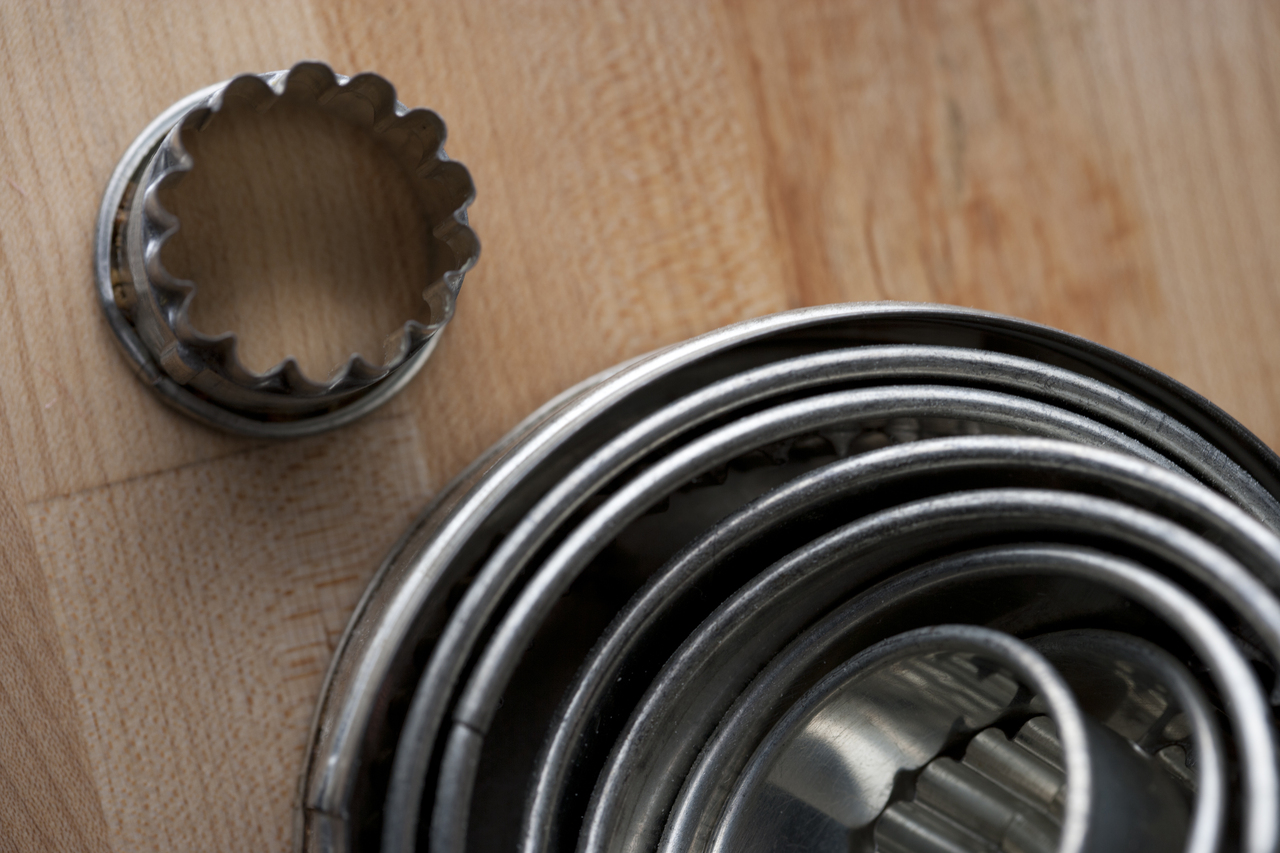
- Task 42: Ring Molds, Cake Pans & Specialty Molds
- Task 43: Cake Decorating Baking Tools
- Task 44: Activity | Label Cake Decorating Tools
|
|
|
Setting Up Your Cake Decorating Studio
- Task 45: Resetting Your Kitchen Space
|
|
|
The Basics of Piping
- Task 46: Introduction to Basics of Piping
- Task 47: Fitting & Filling a Pastry Bag
- Task 48: How to Pipe Using a Pastry Bag
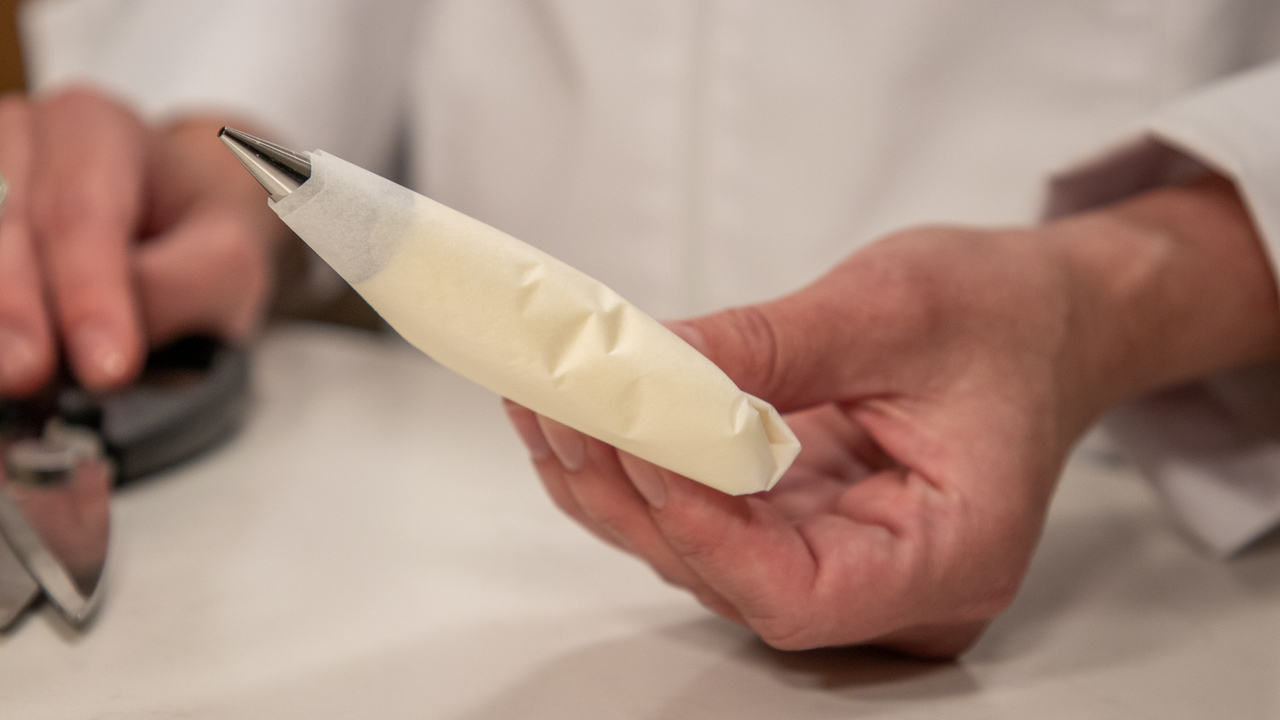
- Task 49: Paper Cones or 'Cornets'
- Task 50: Filling a Paper Cone or 'Cornet'
- Task 51: How to Pipe Using a Paper Cone or 'Cornet'
|
|
|
Unit Review & Assessment
- Task 52: Unit Review & Quiz Preparation
|
End of Unit 3
|
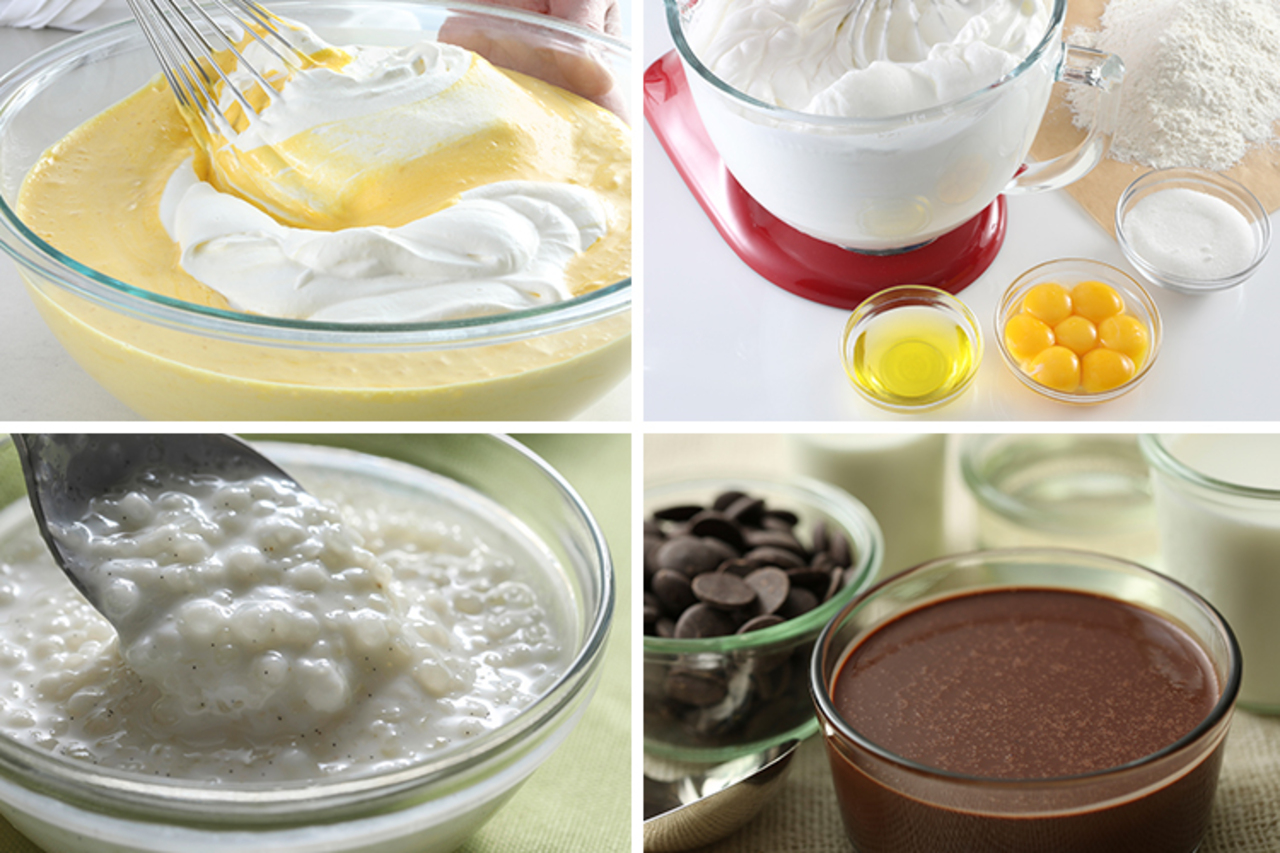
This Unit presents an overview of some of the basic food science principles used in cake baking, filling, and frosting making while helping you comprehend what factors make a baked product succeed or fail. |
|
|
Unit Introduction
- Task 54: Unit Introduction and Objectives
- Task 55: Complete a Self-Assessment & Pre-Assessment
- Task 56: The Importance of Food Science
|
|
|
General Baking Principles
- Task 57: A Balanced Recipe
- Task 59: Fats, Ratios & Stabilizing Water and Fat
- Task 60: Types of Wheat Flour & Their Purpose in Baking
|
|
|
What is Sugar?
- Task 62: Sugar and Sugar Syrups - Simple Syrup
- Task 63: Solid Content & Sweetening Power of Sugars
- Task 64: The Role of Sugar In Recipes
- Task 65: The Maillard Reaction
|
|
|
The Basics of Eggs
- Task 66: The Basics of Eggs
- Task 67: The Role of Eggs in Baking
|
|
|
Butter and Fats
- Task 68: Basics of Butter
- Task 70: Alternative Fats & Oils
|
|
|
Basics of Milk & Cream
- Task 71: Basics of Milk & Cream
|
|
|
Unit Review & Assessment
- Task 72: Unit Review & Quiz Preparation
|
End of Unit 4
|
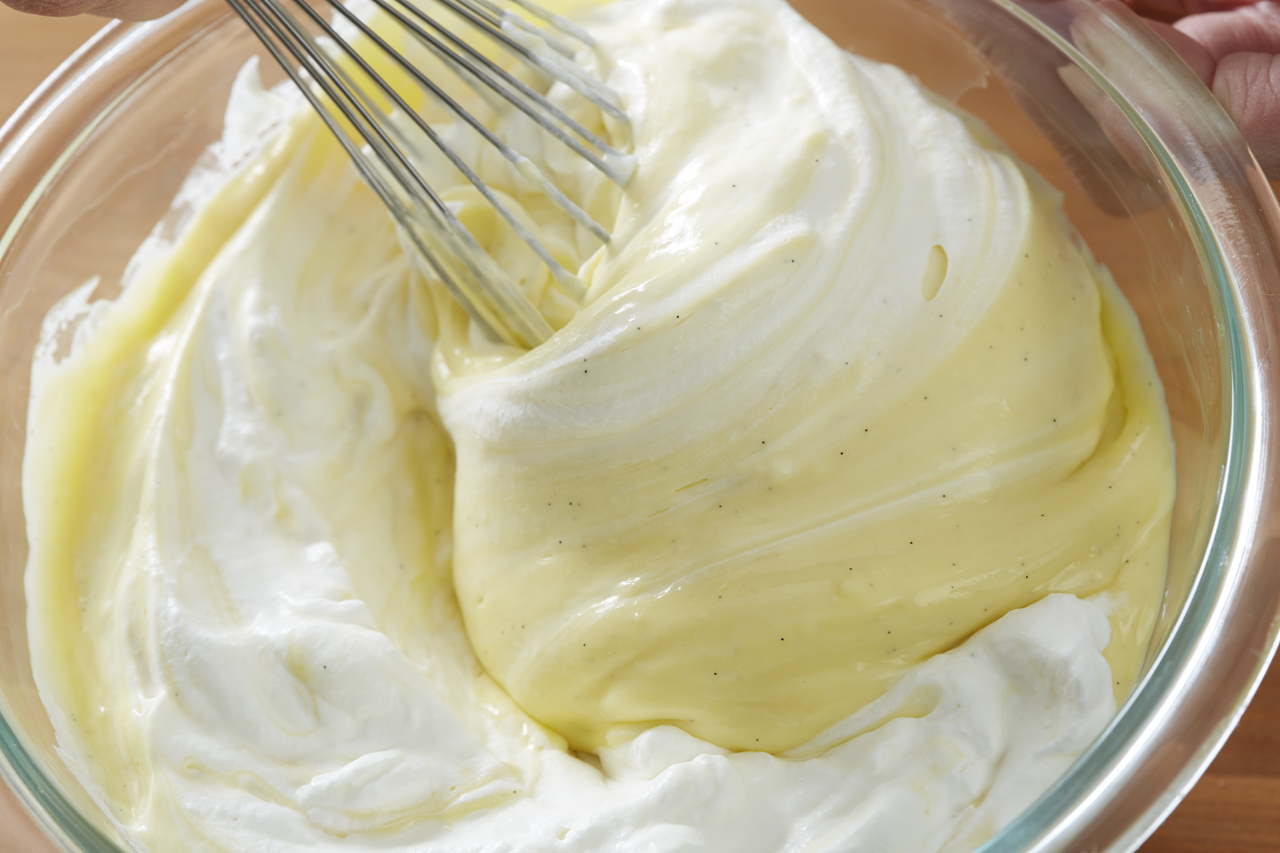
In this unit, we’ll introduce the types of sponges, beginning with hot and cold process Génoise and American-style sponges, like dark chocolate, red velvet, and white cakes.
|
|
|
Unit Introduction
- Task 74: Unit Introduction and Objectives
- Task 75: Complete a Self-Assessment & Pre-Assessment
|
|
|
Cake Decorating Principles | Sponges
- Task 76: Cake Decorating Principles | Sponges
- Task 77: Introduction to Hot Process Sponge
- Task 78: Introduction to Cold Process Sponge
- Task 79: Introduction to American-Style Sponges
|
|
|
Unit Review & Assessment
- Task 80: Unit Review & Quiz Preparation
|
End of Unit 5
|
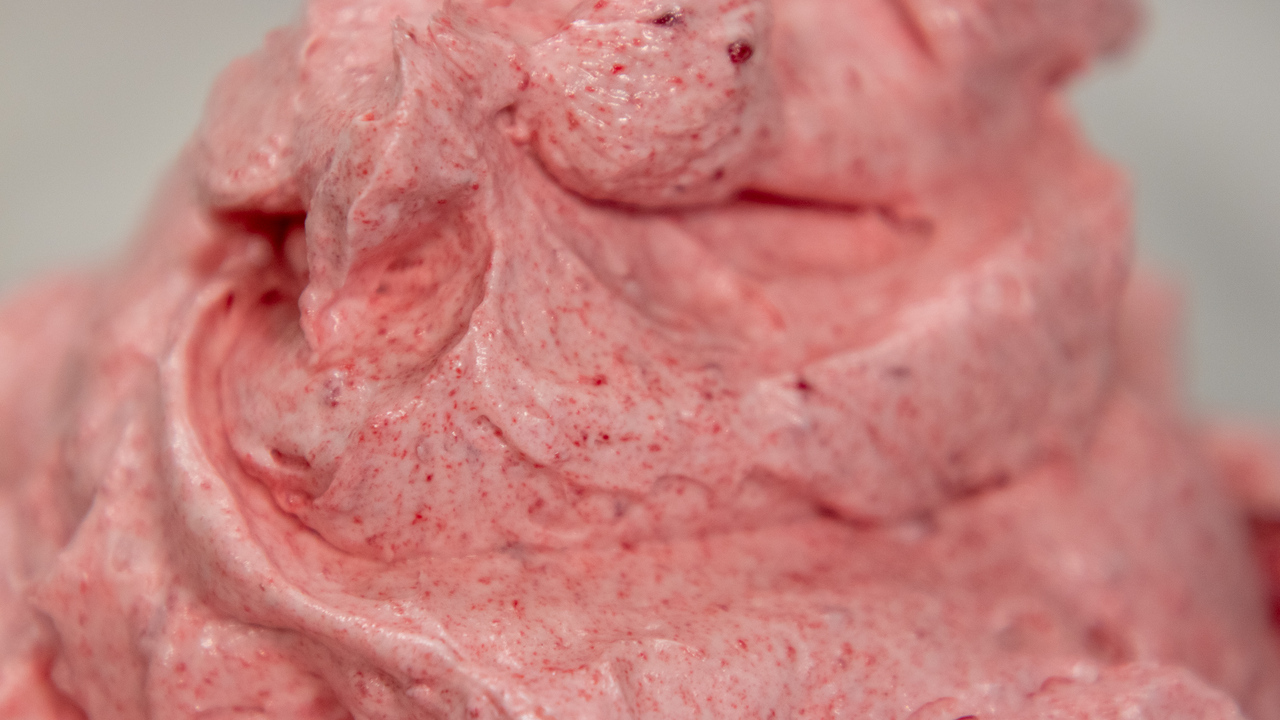
In this Unit, we’ll explore various types of fillings in this unit, like lemon cream and crème légère, then move onto five kinds of frostings, including buttercream, cream cheese, and chocolate glaze. |
|
|
Unit Introduction
- Task 82: Unit Introduction and Objectives
- Task 83: Complete a Self-Assessment & Pre-Assessment
|
|
|
Cake Decorating Principles | Types of Fillings
- Task 84: Cake Decorating Principles | Types of Fillings
- Task 85: Simple Syrup or Soaking Syrup
- Task 86: Introduction to Lemon Cream
- Task 87: Introduction to Crème Légère
- Task 88: Introduction to Vanilla Pastry Cream Custard
|
|
|
Cake Decorating Principles | Traditional Ganaches
- Task 89: Traditional Ganaches
- Task 90: Introduction to Bittersweet Dark Chocolate Ganache Filling
- Task 91: Introduction to Milk Chocolate Ganache Filling
|
|
|
Cake Decorating Principles | Types of Buttercream & Frostings
- Task 92: Types of Buttercream & Frostings
- Task 93: Introduction to French Buttercream
- Task 94: Introduction to Italian Meringue Buttercream
- Task 95: Introduction to Swiss Buttercream
- Task 96: Introduction to Dark Chocolate Frosting
- Task 97: Re-Order Activity: Swiss Buttercream Sequence
- Task 98: Introduction to Cream Cheese Frosting
- Task 99: Introduction to Dark Chocolate Glaze
|
|
|
Cake Decorating Principles | How to Flavor Buttercream
- Task 100: Flavoring Buttercream
|
|
|
Introduction | Whole Caramelized Nuts
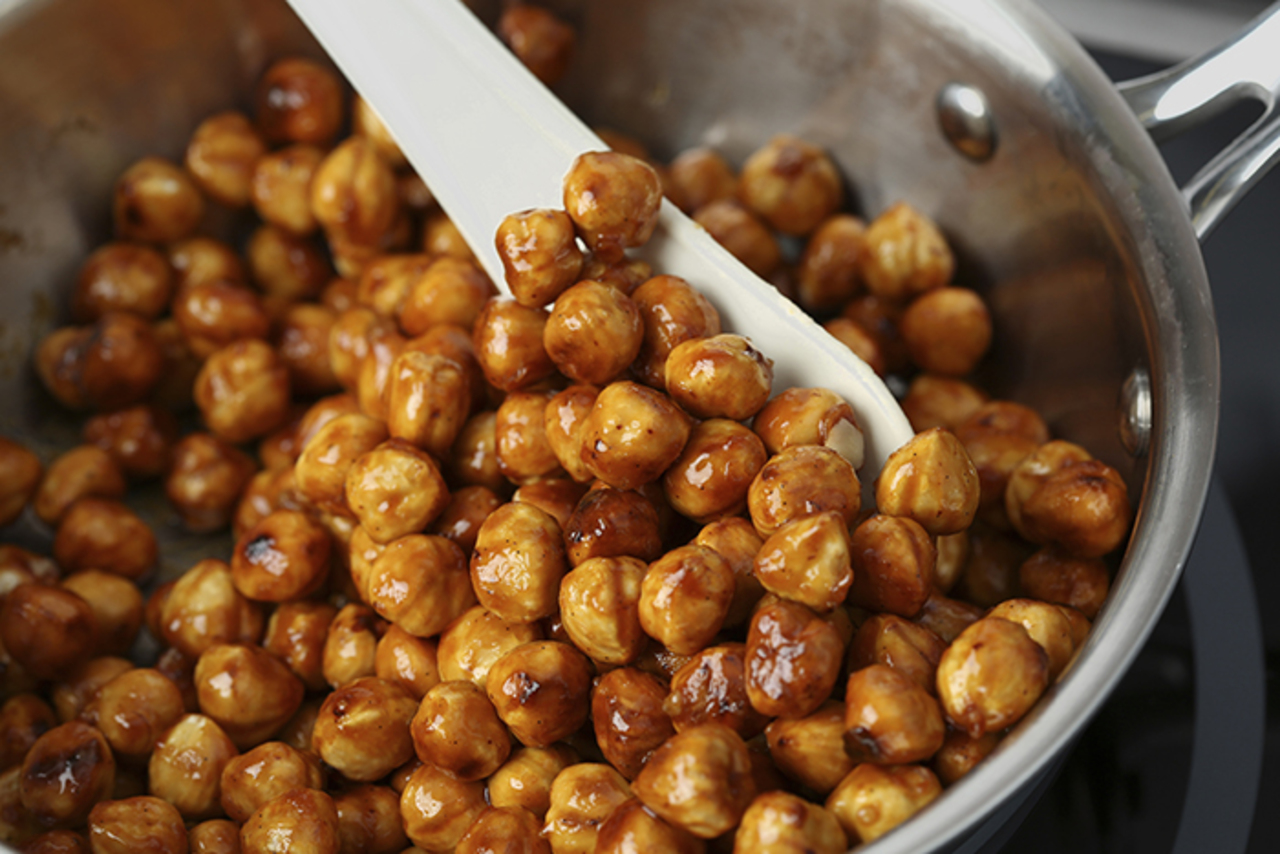
- Task 101: Whole Caramelized Nuts
|
|
|
Unit Review & Assessment
- Task 102: Unit Review & Quiz Preparation
- Task 103: Unit Assessment
|
End of Unit 6
|
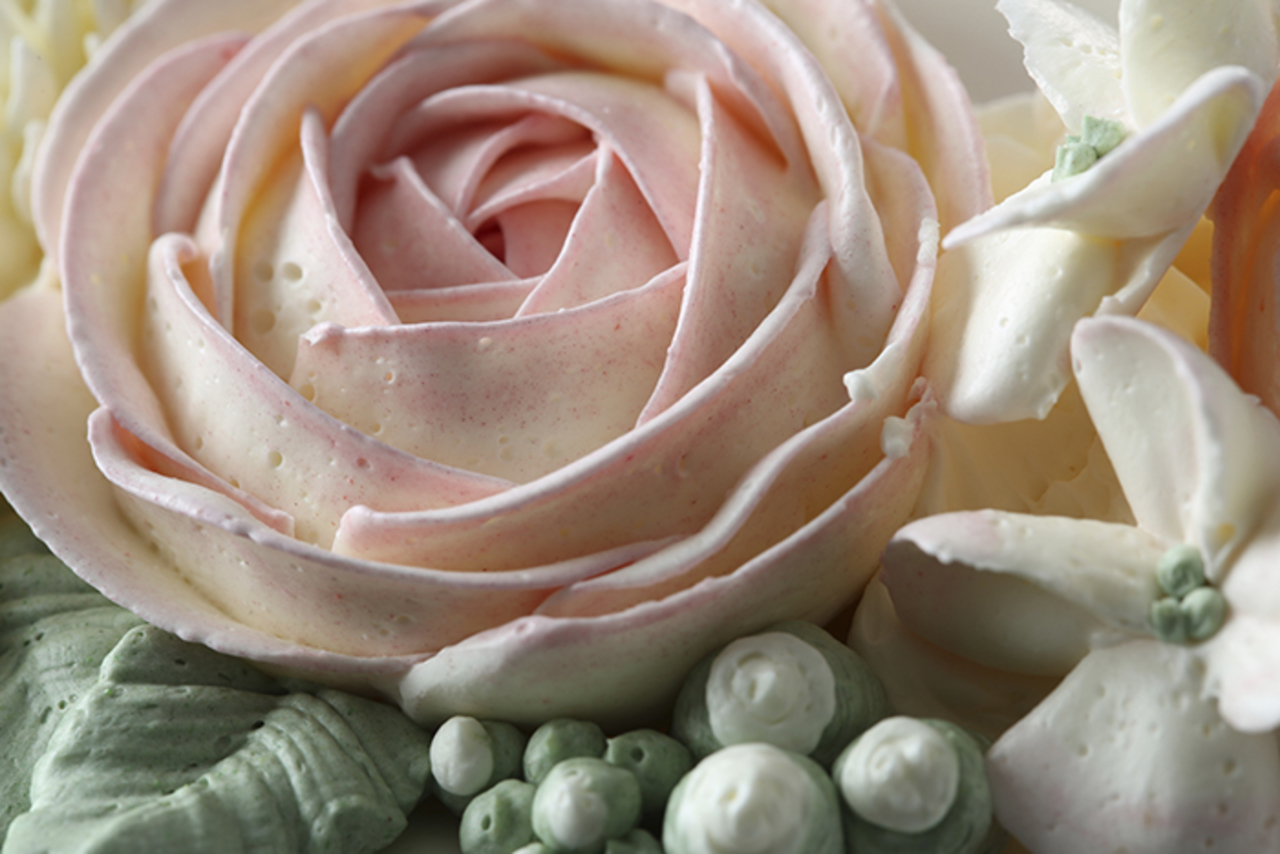
We’ll begin unit 9 by demonstrating essential piping techniques using buttercream, then teach the techniques of piping inscriptions using a cornet or parchment paper cone and chocolate. Finally, you’ll learn how to pipe buttercream flowers, an advanced piping skill that uses a flower nail and parchment paper squares. |
|
|
Unit Introduction
- Task 104: Unit Introduction and Objectives
- Task 105: Complete a Self-Assessment & Pre-Assessment
|
|
|
Cake Decorating Principles | Basic Piping with Buttercream
- Task 106: Basic Piping with Buttercream
- Task 107: Piping Buttercream Dots, Pearls, and Bead Borders
- Task 108: Piping Buttercream Cornelli Lace
- Task 109: Piping Buttercream Stars
- Task 110: Piping Buttercream Rosettes
- Task 111: Piping a Buttercream Shell Border & Reverse Shell
- Task 112: Piping a Buttercream Zigzag & Zigzag Garland
- Task 113: Piping Buttercream Leaves
- Task 114: Piping a Buttercream Basketweave Pattern
- Task 115: Piping Buttercream Ruffles & Ruffle Garland
- Task 116: Piping a Buttercream Swag
- Task 117: Buttercream Piping on a Cake & Practicing
|
|
|
Cake Decorating Principles | Using a Cornet
- Task 118: Cake Decorating Principles | Using a Cornet
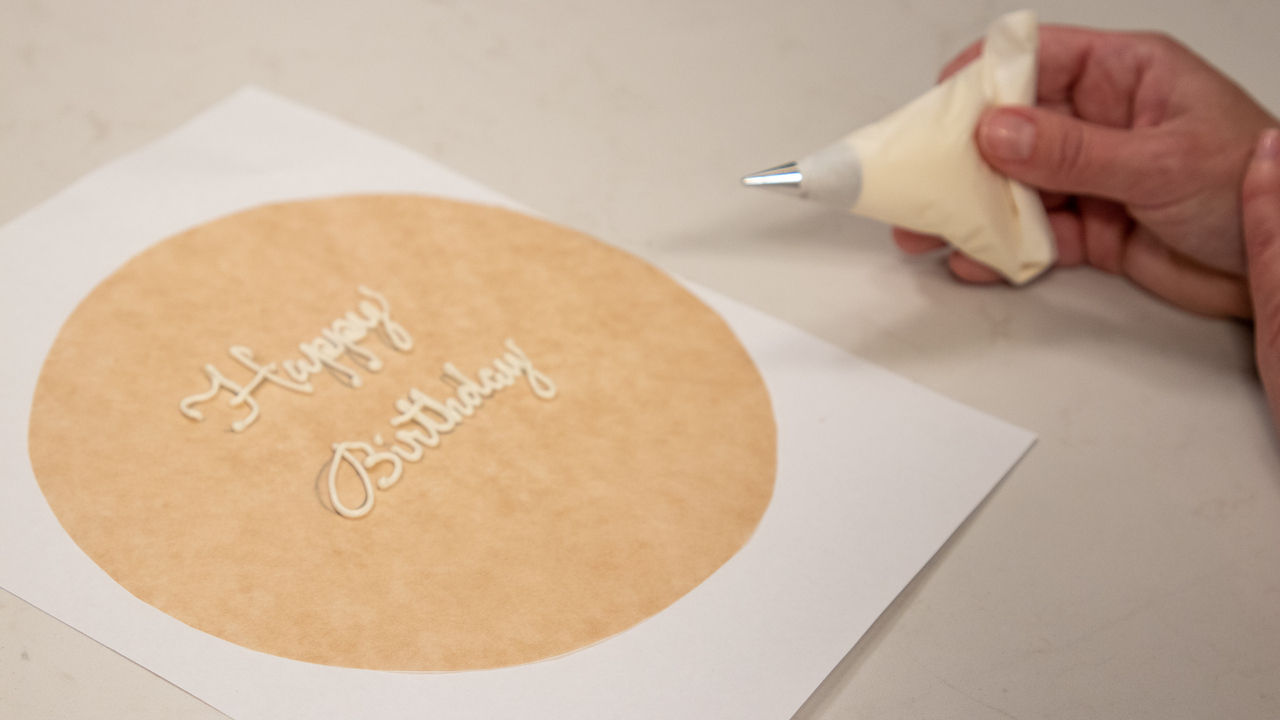
- Task 119: Writing in Chocolate & Buttercream
|
|
|
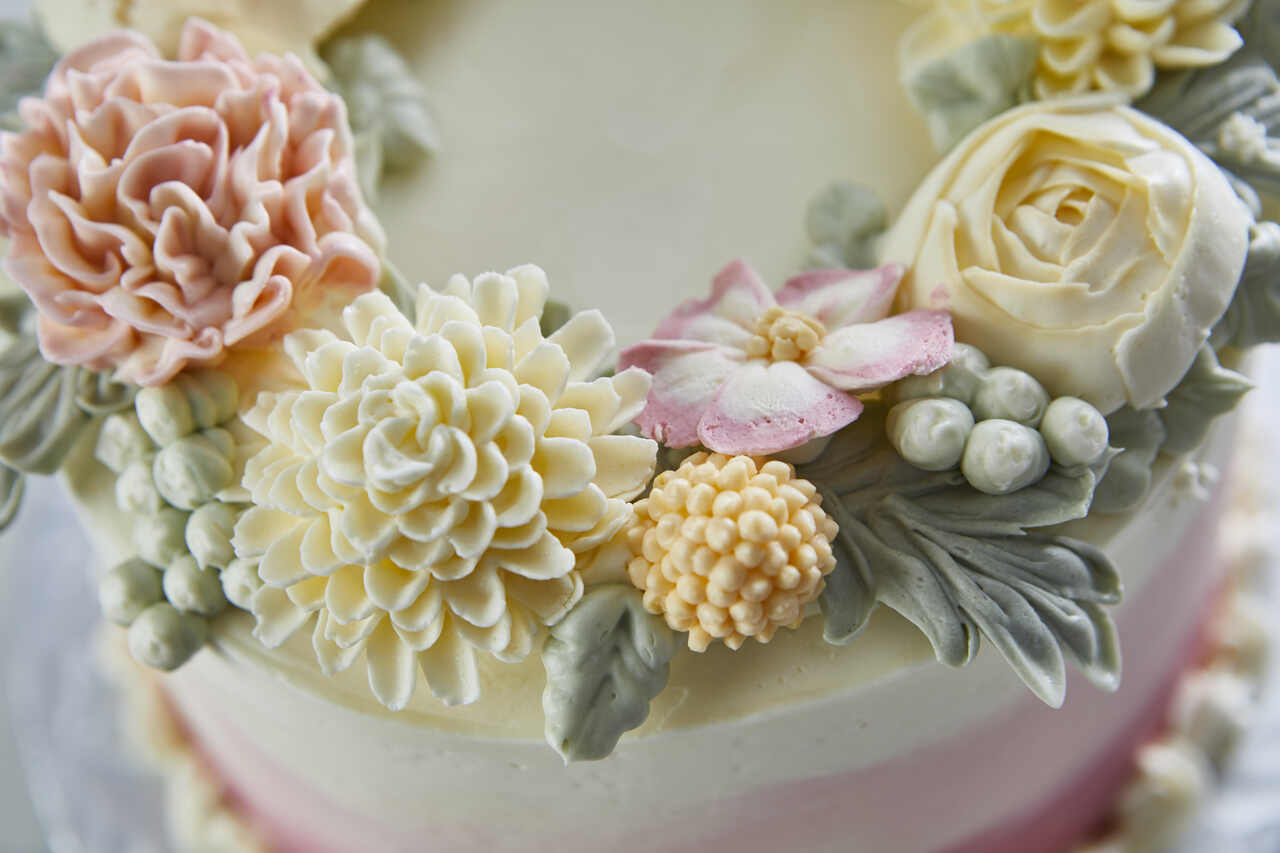
Introduction to Buttercream Piped Flowers
- Task 120: Introduction to Buttercream Piped Flowers
- Task 121: Buttercream Blossoms
- Task 122: Buttercream Ranunculi
- Task 123: Buttercream Carnations
- Task 124: Buttercream Mums
- Task 125: Flower Arrangement
|
|
|
Cake Decorating Principle | Making a Piping Practice Board, optional
- Task 126: Cake Decorating Principle | Making a Piping Practice Board, optional
|
|
|
Unit Review & Assessment
- Task 127: Unit Review & Quiz Preparation
- Task 128: Unit Assessment
|
End of Unit 7
|
In this unit, you will learn the fundamentals of how to build and stack a two-tiered cake with stability and accuracy.
|
|
|
Unit Introduction
- Task 129: Unit Introduction and Objectives
- Task 130: Complete a Self-Assessment & Pre-Assessment
|
|
|
Cake Decorating Principles | Building a Buttercream Cake
- Task 131: Building a Buttercream Cake
- Task 132: Torting the Cakes
- Task 133: Filling Each Cake
- Task 134: Applying the Crumb Coat
- Task 135: The Final Buttercream Coat
- Task 136: Stacking the Cakes
- Task 137: Finishing the Details
|
|
|
Unit Review & Assessment
- Task 138: Unit Review & Quiz Preparation
- Task 139: Unit Assessment
|
End of Unit 8
|
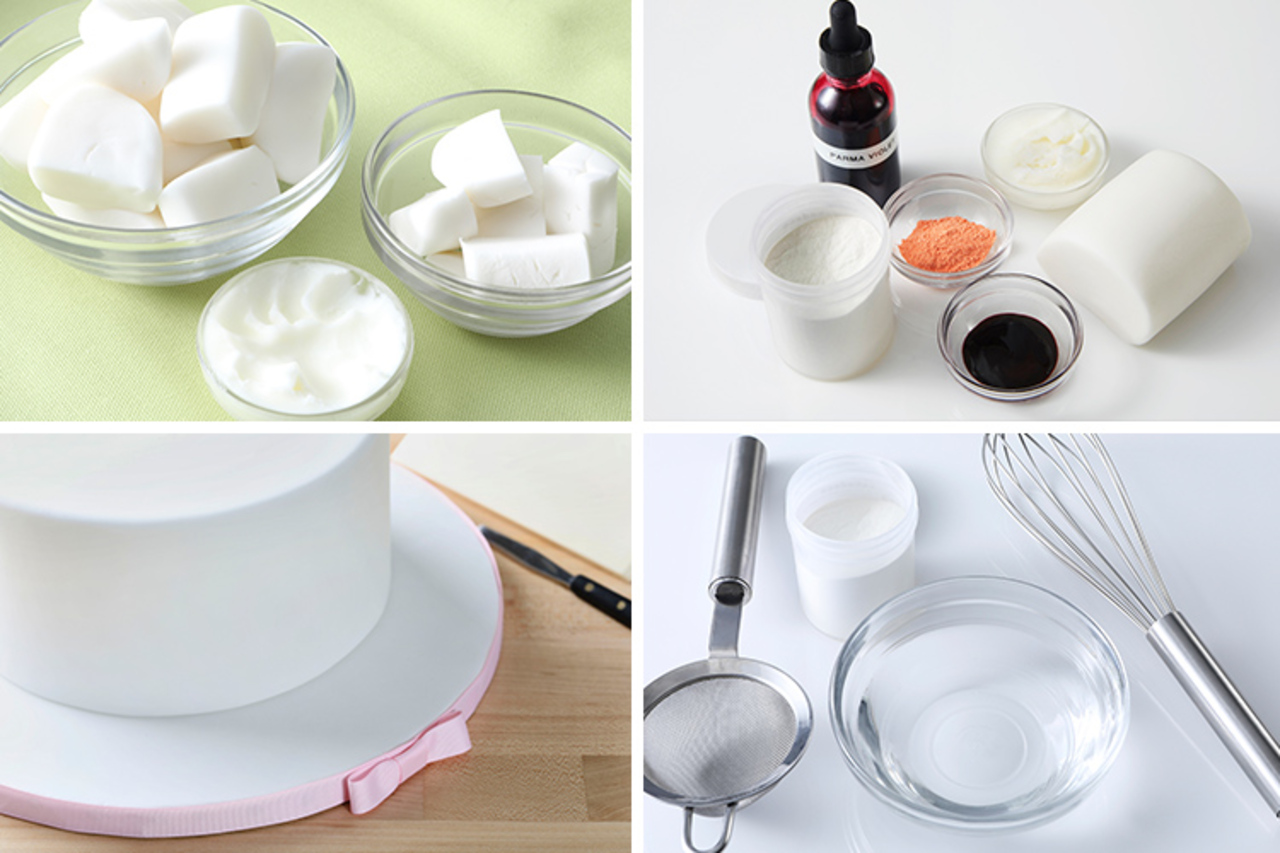
In this unit, you’ll practice all things fondant. First, you’ll learn a quick rolled fondant recipe, then practice applying this covering on a cake. We also include a recipe that teaches how to modify rolled fondant to manipulate it for future cake decorating projects. |
|
|
Unit Introduction
- Task 140: Unit Introduction and Objectives
- Task 141: Complete a Self-Assessment & Pre-Assessment
|
|
|
Cake Decorating Principles | Rolled Fondant Making
- Task 142: Making Rolled Fondant Making & Coloring
|
|
|
Cover a Cake & Cake Board in Rolled Fondant
- Task 143: Cover a Cake & Cake Board in Rolled Fondant
|
|
|
Cake Decorating Principles | Modified Fondant
- Task 144: Cake Decorating Principles | Modified Fondant
|
|
|
Unit Review & Assessment
- Task 145: Unit Review & Quiz Preparation
- Task 146: Unit Assessment
|
End of Unit 9
|
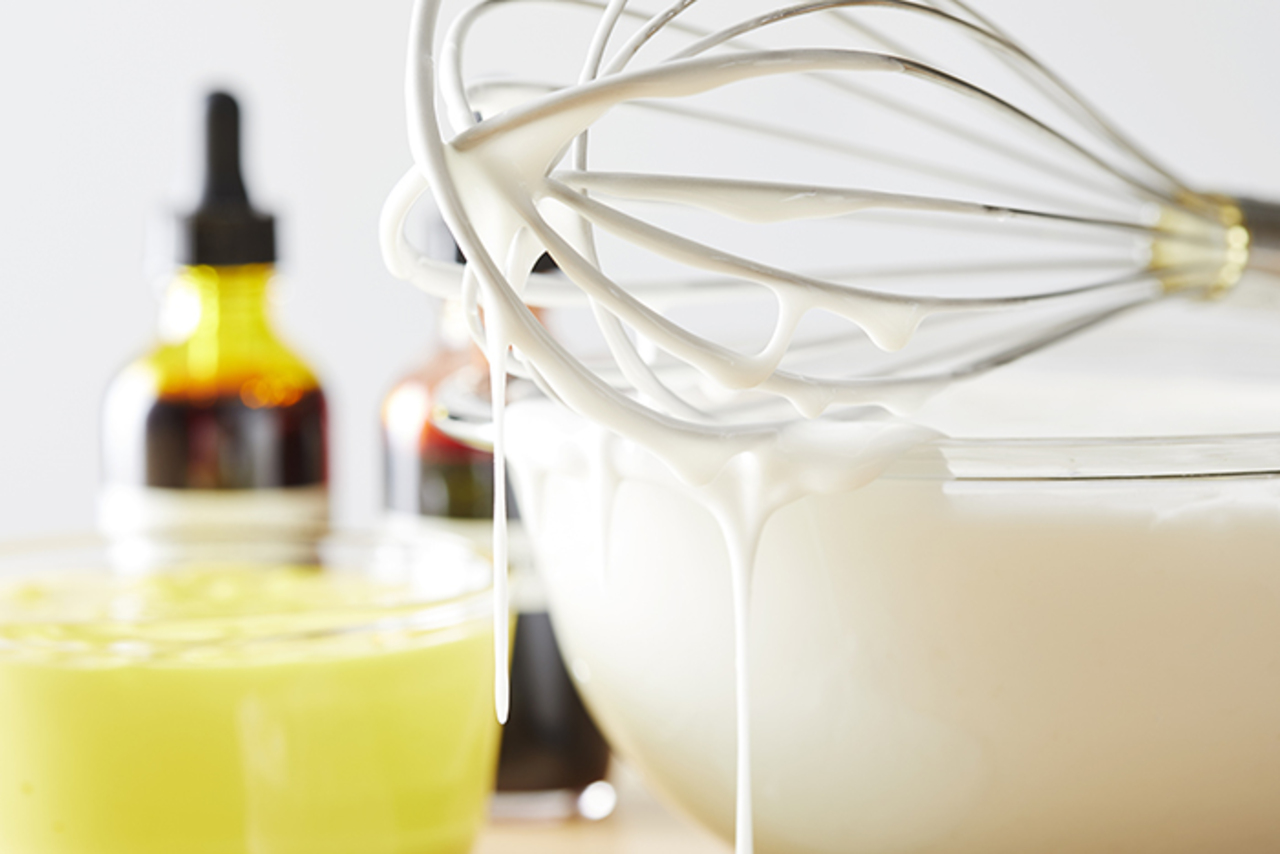
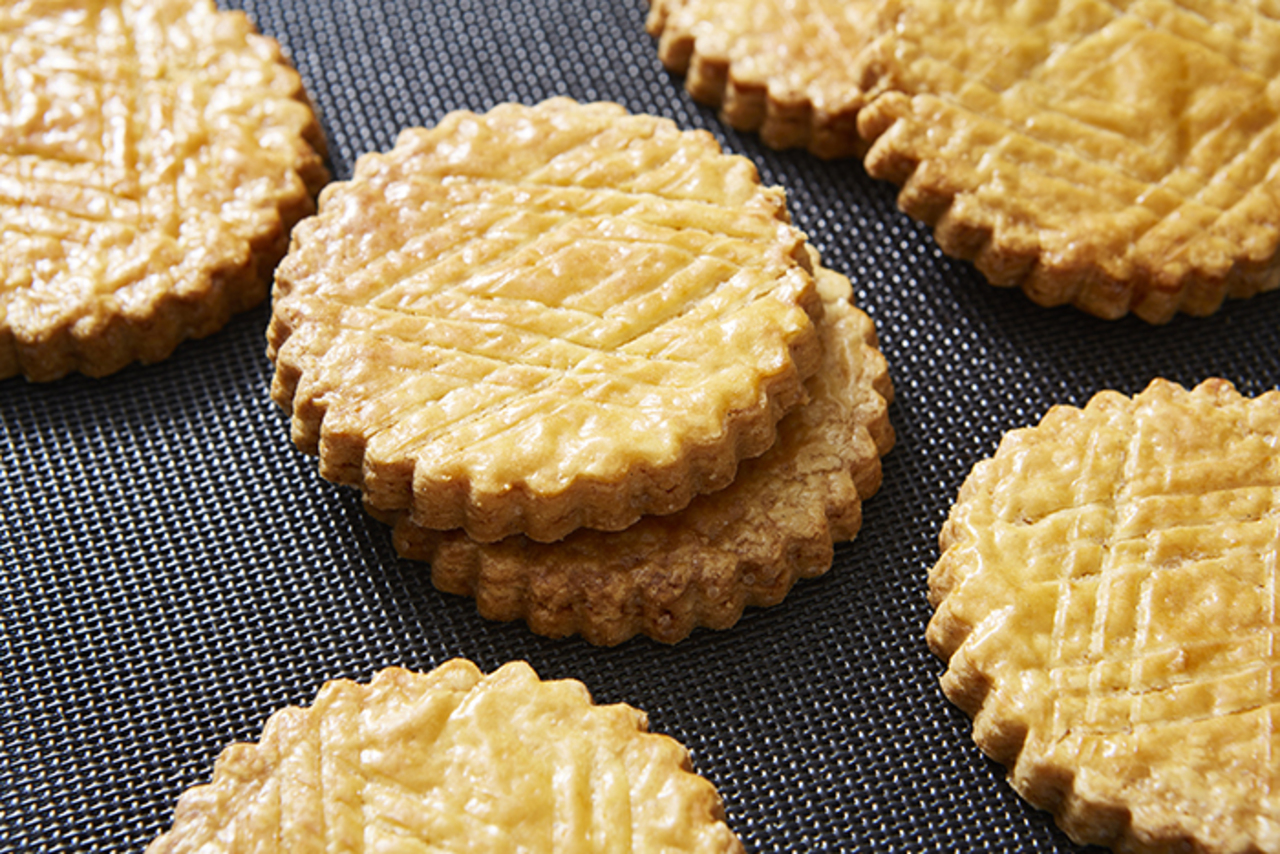
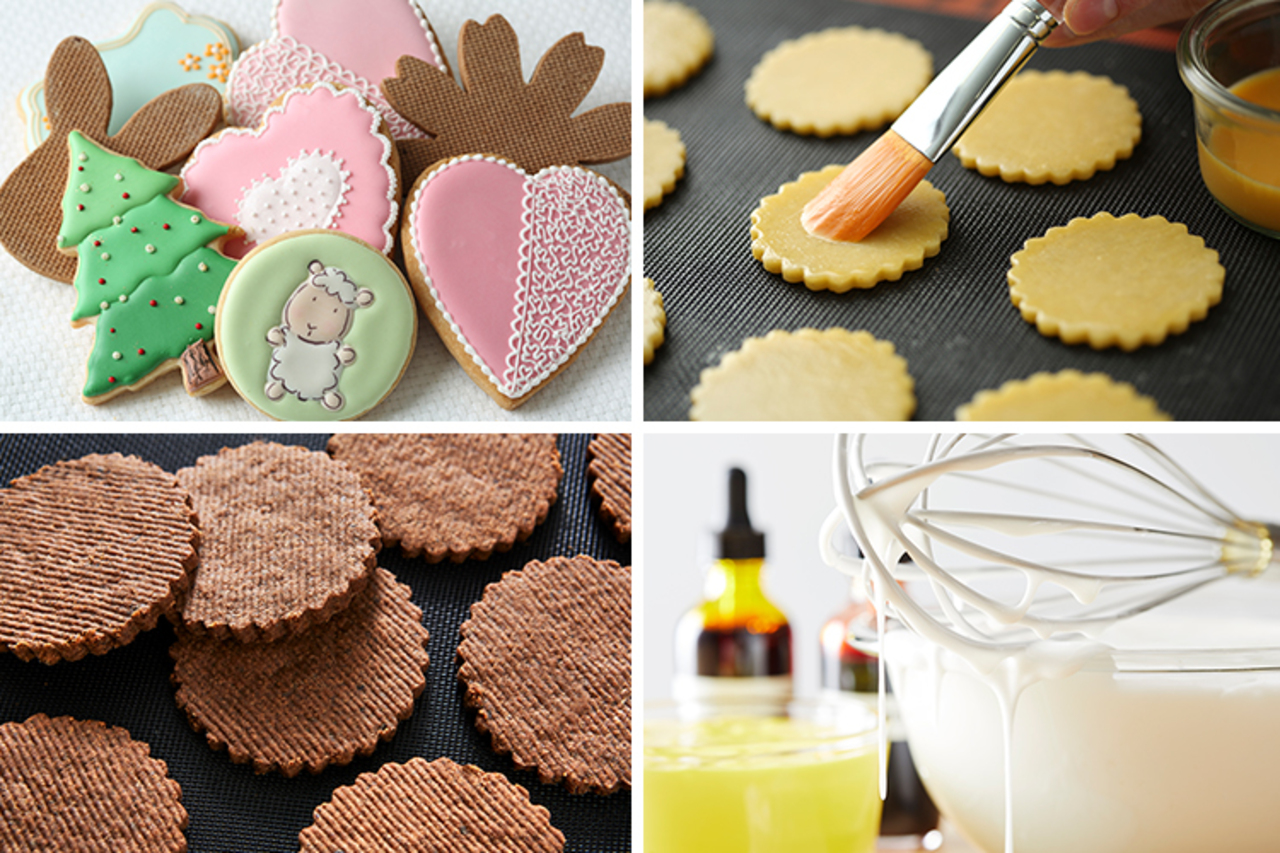
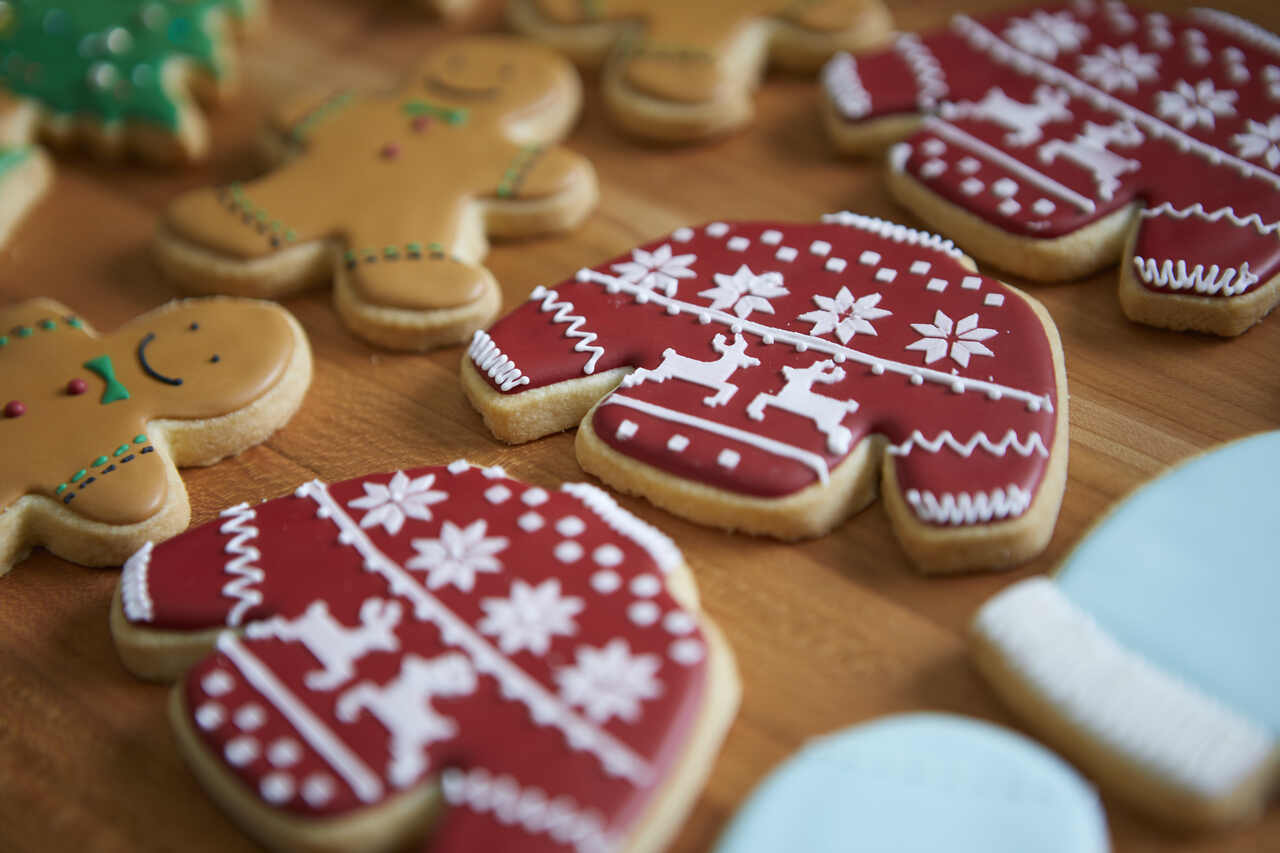
In this unit, you will learn two new shortbread dough making techniques; the sanding method & how to fraser a dough. You’ll also learn how to master making royal icing and adjusting its consistency to fill in, sometimes called “flooding,” large areas of the cookie. |
|
|
Unit Introduction
- Task 147: Unit Introduction and Objectives
- Task 148: Complete a Self-Assessment & Pre-Assessment
|
|
|
Cake Decorating Principles | Butter & Vanilla Shortbread Cookies
- Task 149: Introduction | Butter & Vanilla Shortbread Cookies
- Task 150: Cake Decorating Principles | Butter & Vanilla Shortbread Cookies
|
|
|
Royal Icing for Decorated Cookies
- Task 151: Introduction | Royal Icing for Decorated Cookies
- Task 152: Cake Decorating Principles | Egg White Powder Royal Icing & Fresh Egg White Royal Icing
- Task 153: Cake Decorating Principles | Royal Icing for Flooding Decorated Cookies
|
|
|
Unit Review & Assessment
- Task 154: Unit Review & Quiz Preparation
- Task 155: Unit Assessment
|
End of Unit 10
|
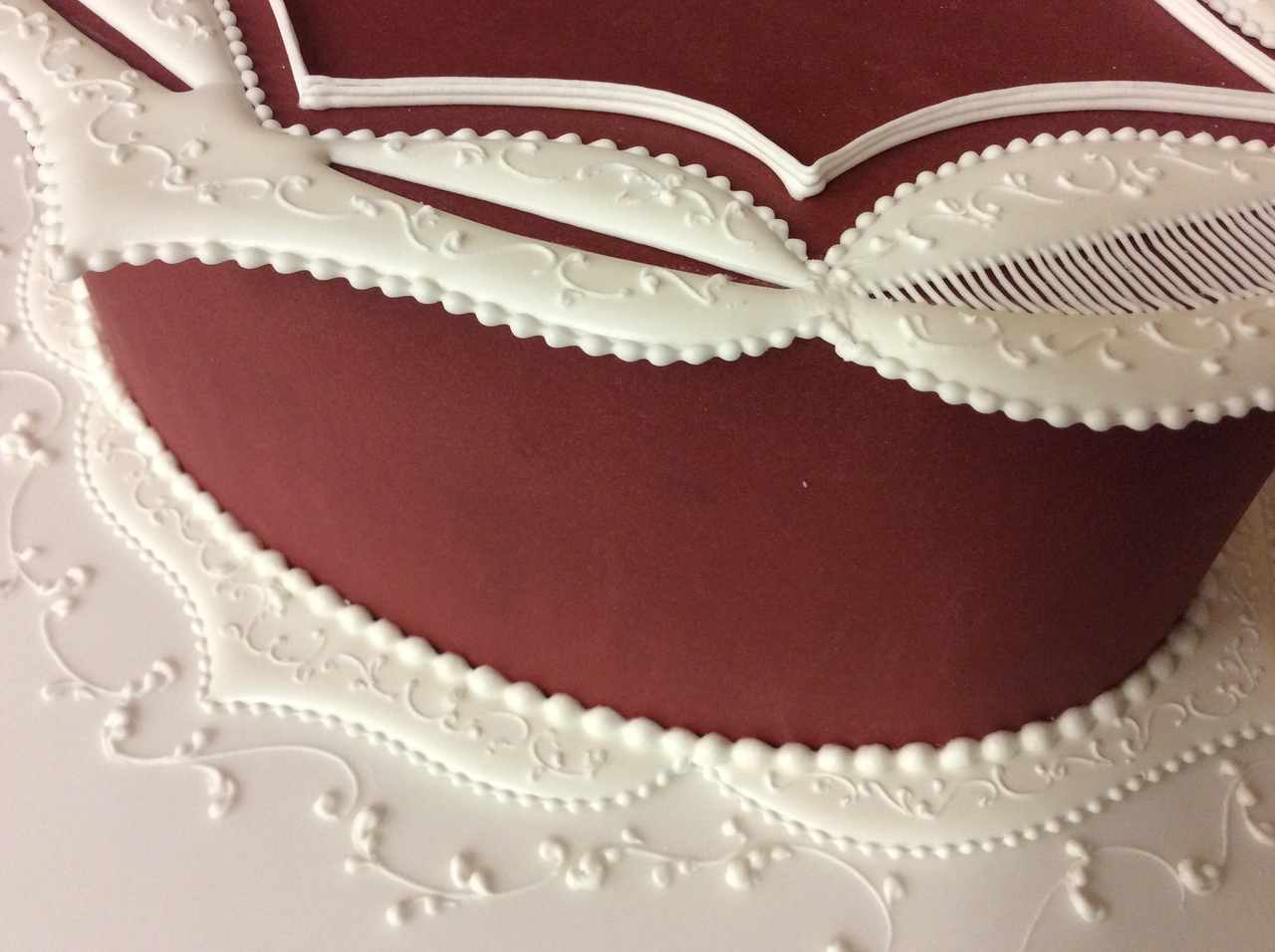
Our focus for this unit is all about teaching royal icing flooding techniques. Royal icing flood work dries smooth and makes ornate decorations on cakes or cookies. For this technique, you’ll learn to dilute royal icing to a fluid consistency and distribute it within an outlined shape. |
|
|
Unit Introduction
- Task 156: Unit Introduction and Objectives
- Task 157: Complete a Self-Assessment & Pre-Assessment
|
|
|
Cake Decorating Principles | Applying Royal Icing Flood Work on Cakes
- Task 158: Applying Royal Icing Flood Work on Cakes
- Task 159: Introduction to Royal Icing Runouts
- Task 160: Introduction to Royal Icing Wings
- Task 161: Introduction to Royal Icing Collar Techniques
- Task 162: Preparation & Outlining the Template
- Task 163: Flooding the Outline & Drying the Collar
- Task 164: Applying the Collar
|
|
|
Unit Review & Assessment
- Task 165: Unit Review & Quiz Preparation
- Task 166: Unit Assessment
|
End of Unit 11
|
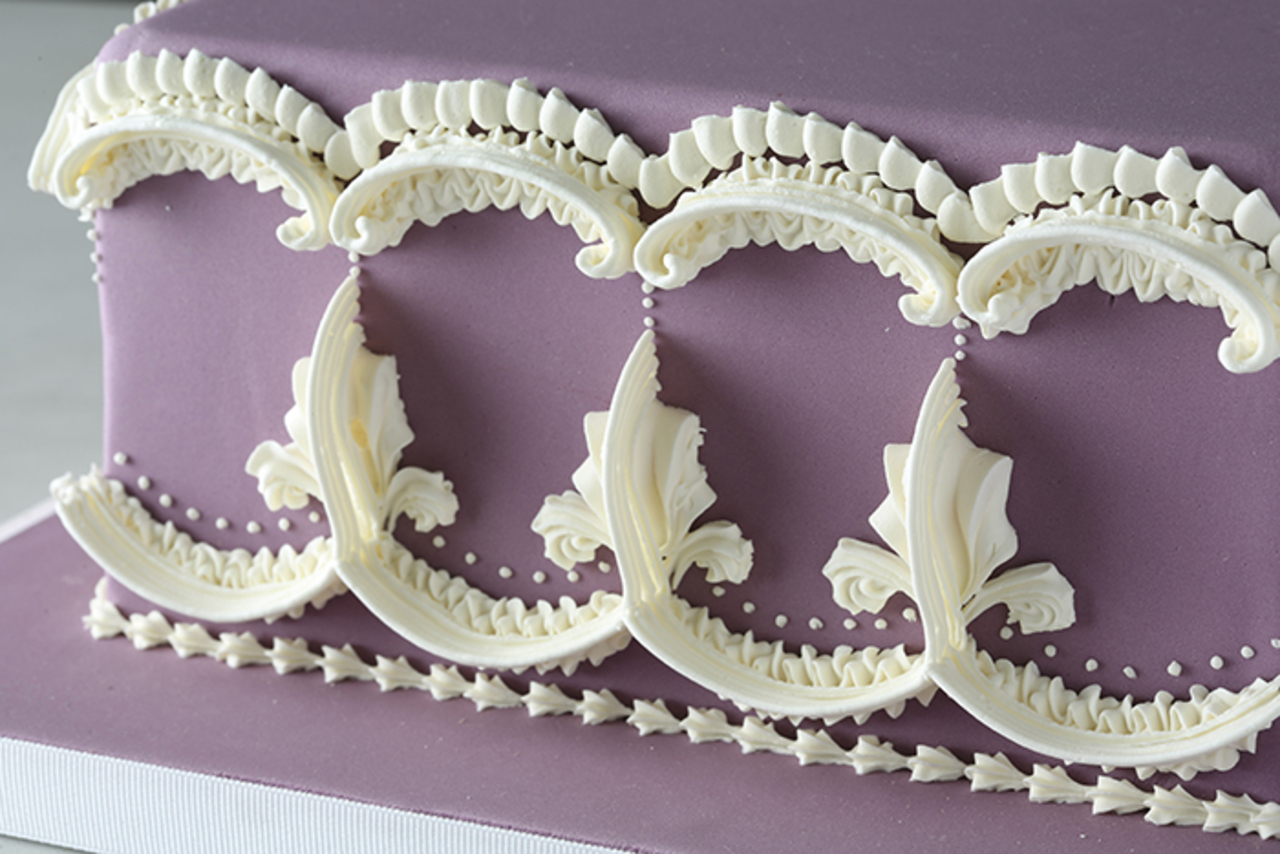
In this unit, our next focus is advanced royal icing piping, including over piping embellishments, Lambeth techniques, and string work. |
|
|
Unit Introduction
- Task 167: Unit Introduction and Objectives
- Task 168: Complete a Self-Assessment & Pre-Assessment
|
|
|
Cake Decorating Principles | Advanced Royal Icing Piping
- Task 169: Advanced Royal Icing Piping
- Task 170: Introduction | Over Piping Embellishments
- Task 171: Introduction | Lambeth Techniques
|
|
|
Cake Decorating Principles | Royal Icing String Work
- Task 172: Royal Icing String Work
- Task 173: Introduction | Basic String Work
- Task 174: Introduction | Oriental String Work
- Task 175: Introduction | Australian Extension String Work
|
|
|
Unit Review & Assessment
- Task 176: Unit Review & Quiz Preparation
- Task 177: Unit Assessment
|
End of Unit 12
|
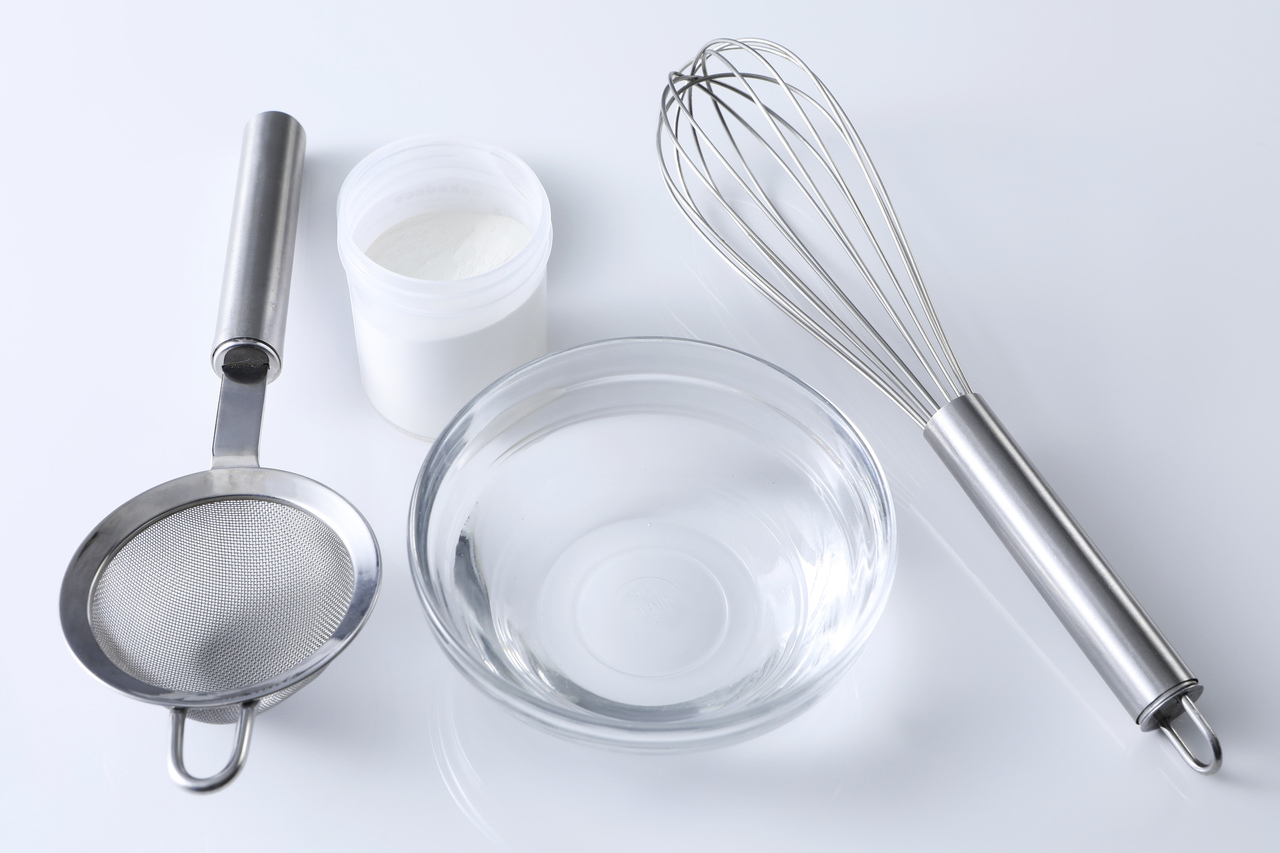
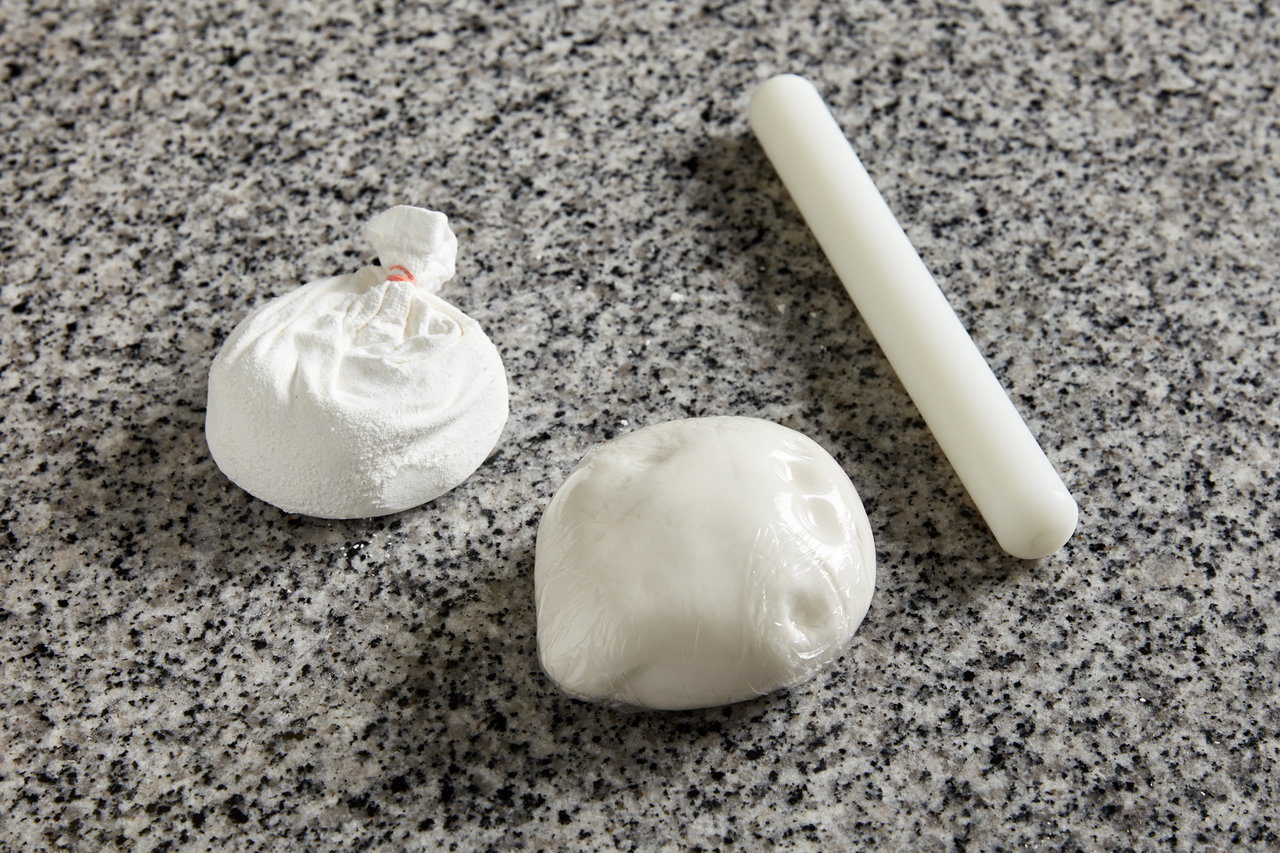
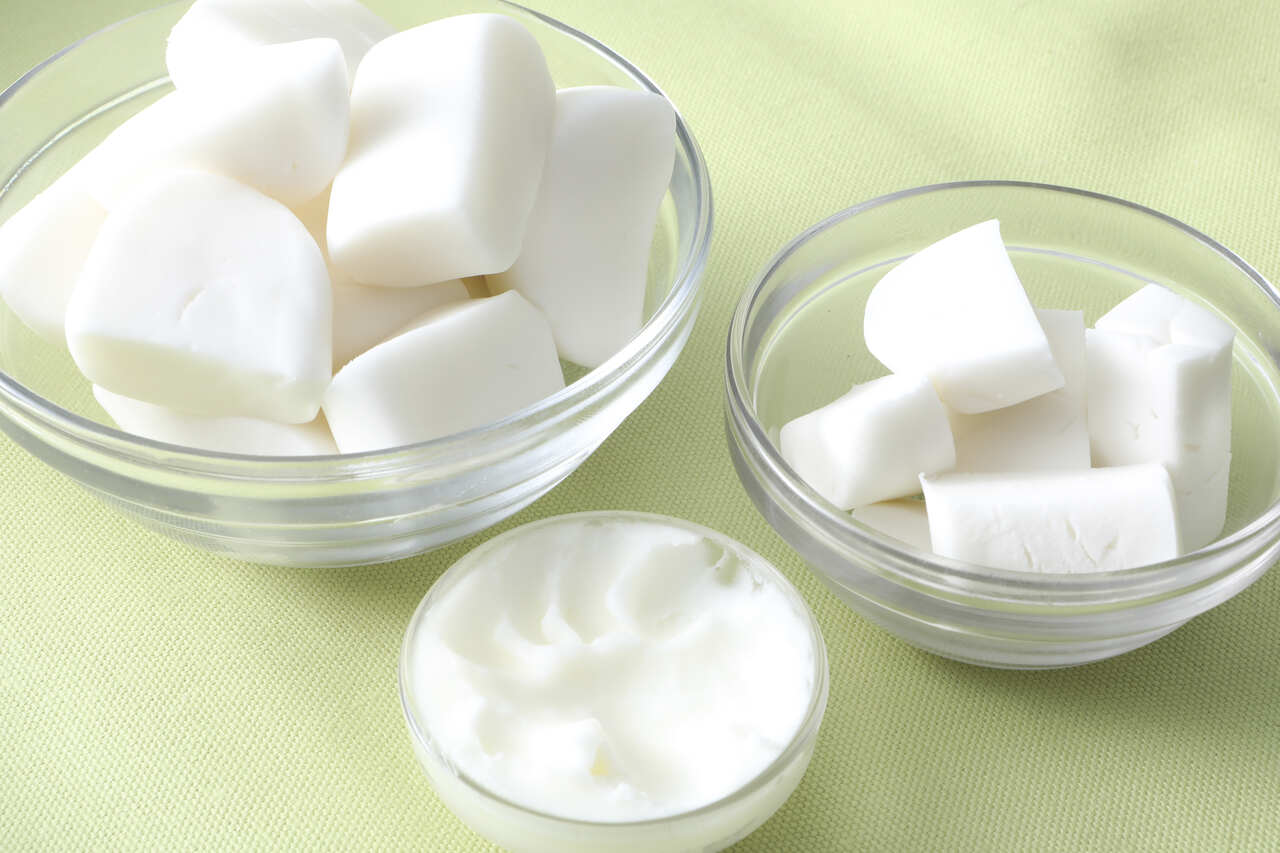
In Unit 13, we’ll introduce a sugar dough called gum paste. Gum paste is used to embellish many cake decorating projects. In this section, we will share our recipe for making gum paste and a modified gum paste that gives you a longer working time. |
|
|
Unit Introduction
- Task 178: Unit Introduction and Objectives
- Task 179: Complete a Self-Assessment & Pre-Assessment
|
|
|
Cake Decorating Principles | Making Gum Paste & Modified Gum Paste
- Task 180: Fundamentals of Making Gum Paste, Modified Gum Paste & Modified Rolled Fondant
|
|
|
Introduction | Edible Glue
- Task 181: Introduction | Edible Glue
|
|
|
Introduction | 50/50 Paste
- Task 182: Introduction | 50/50 Paste
|
|
|
Introduction | Bows
- Task 183: Introduction | Bows
|
|
|
Introduction | Simple Rose
- Task 184: Introduction | Simple Rose
- Task 189: Full-Blown Rose
|
|
|
Unit Review & Assessment
- Task 191: Unit Review & Quiz Preparation
- Task 192: Unit Assessment
|
End of Unit 13
|
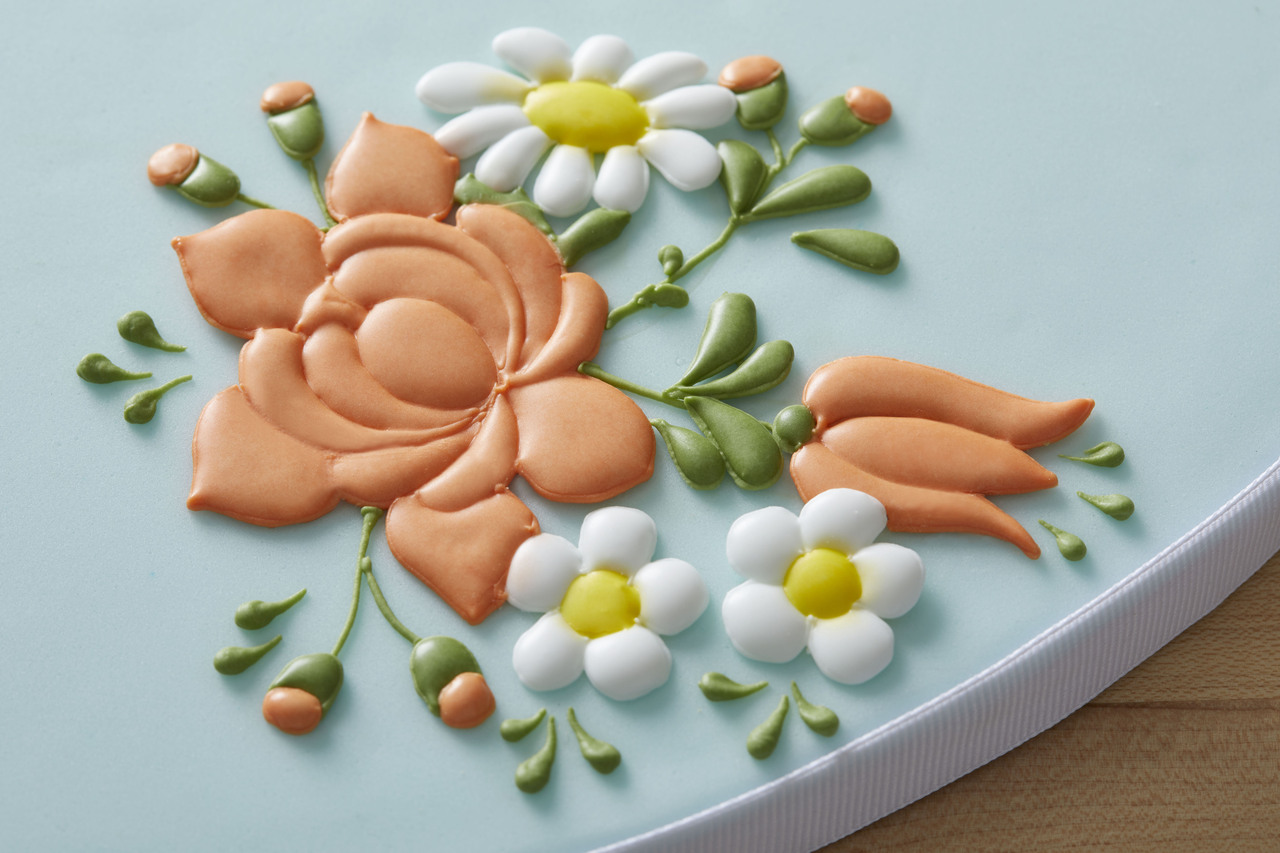
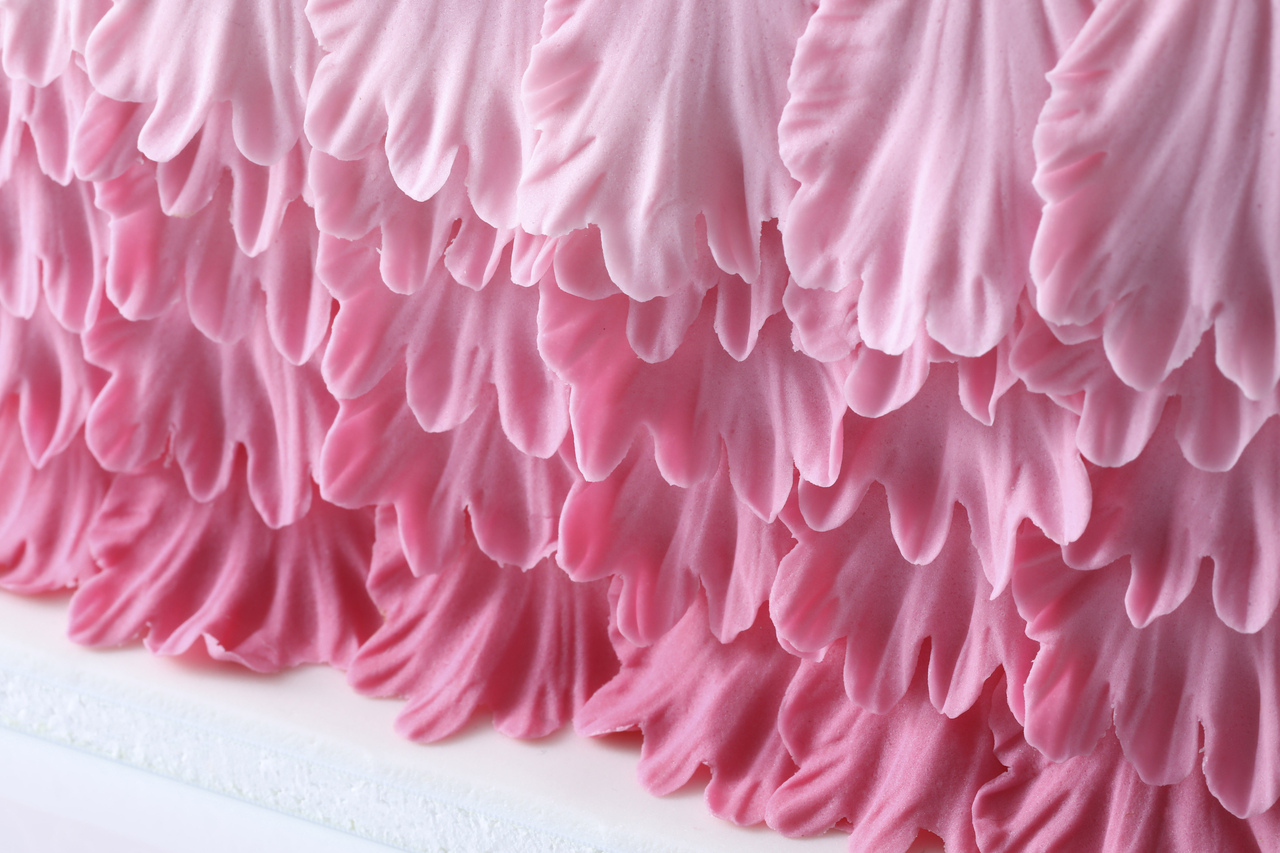
In our advanced sugar paste decorations unit, we’ll demonstrate techniques using fondant, modified fondant, or 50/50 paste for six cakes or cookie decorating embellishments. |
|
|
Unit Introduction
- Task 193: Unit Introduction and Objectives
- Task 194: Complete a Self-Assessment & Pre-Assessment
|
|
|
Cake Decorating Principles | Advanced Sugar Paste Decorations
- Task 195: Cake Decorating Principles | Advanced Sugar Paste Decorations
- Task 196: Introduction | Pearls
- Task 198: Making Small Pearls
- Task 199: Making Pearl Variations
- Task 200: Introduction | Ombré Effects
- Task 202: Peony Petal Ombré
- Task 203: Introduction | Ruffles, Frills & Straight Frills
- Task 207: Introduction | Bas Relief
- Task 208: Introduction | Embossing
- Task 209: Introduction | Stamping
|
|
|
Unit Review & Assessment
- Task 210: Unit Review & Quiz Preparation
- Task 211: Unit Assessment
|
End of Unit 14
|
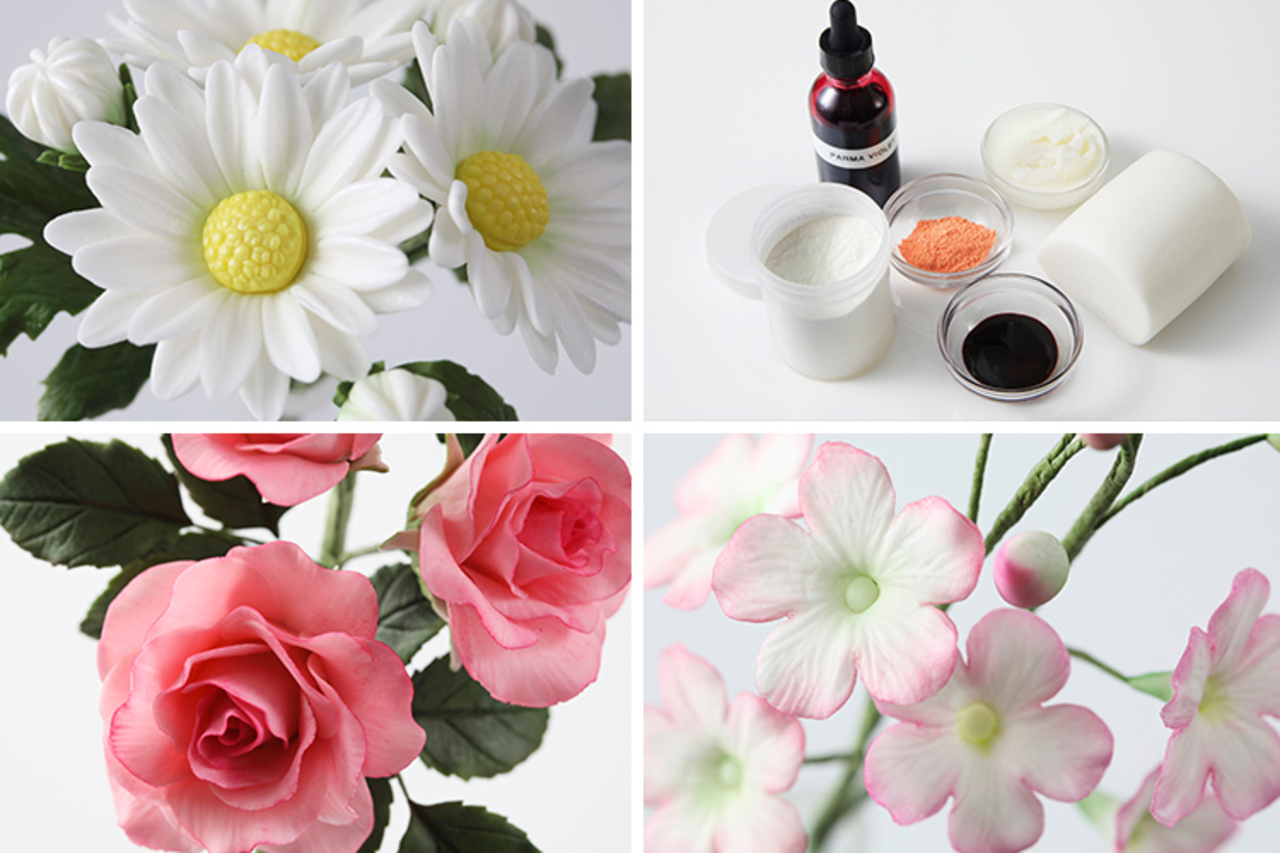
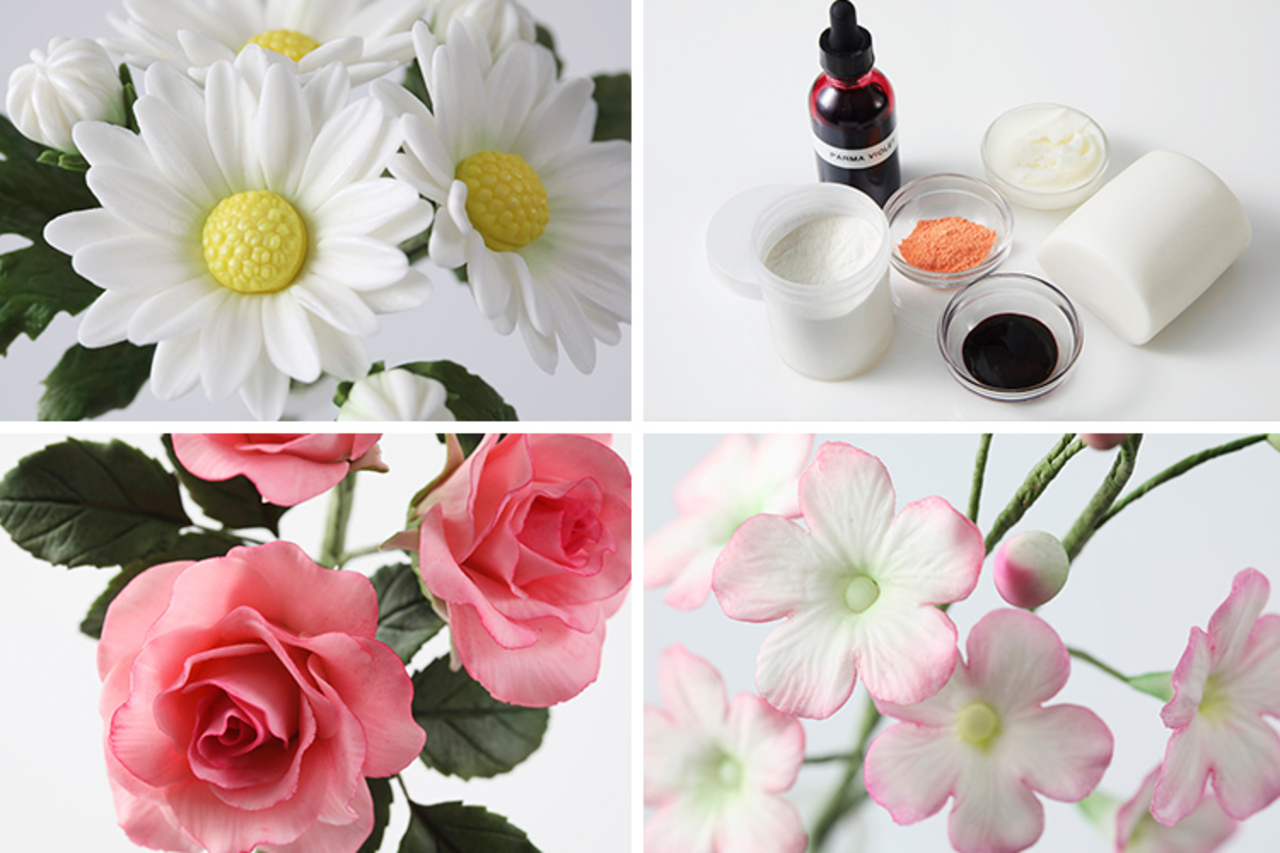
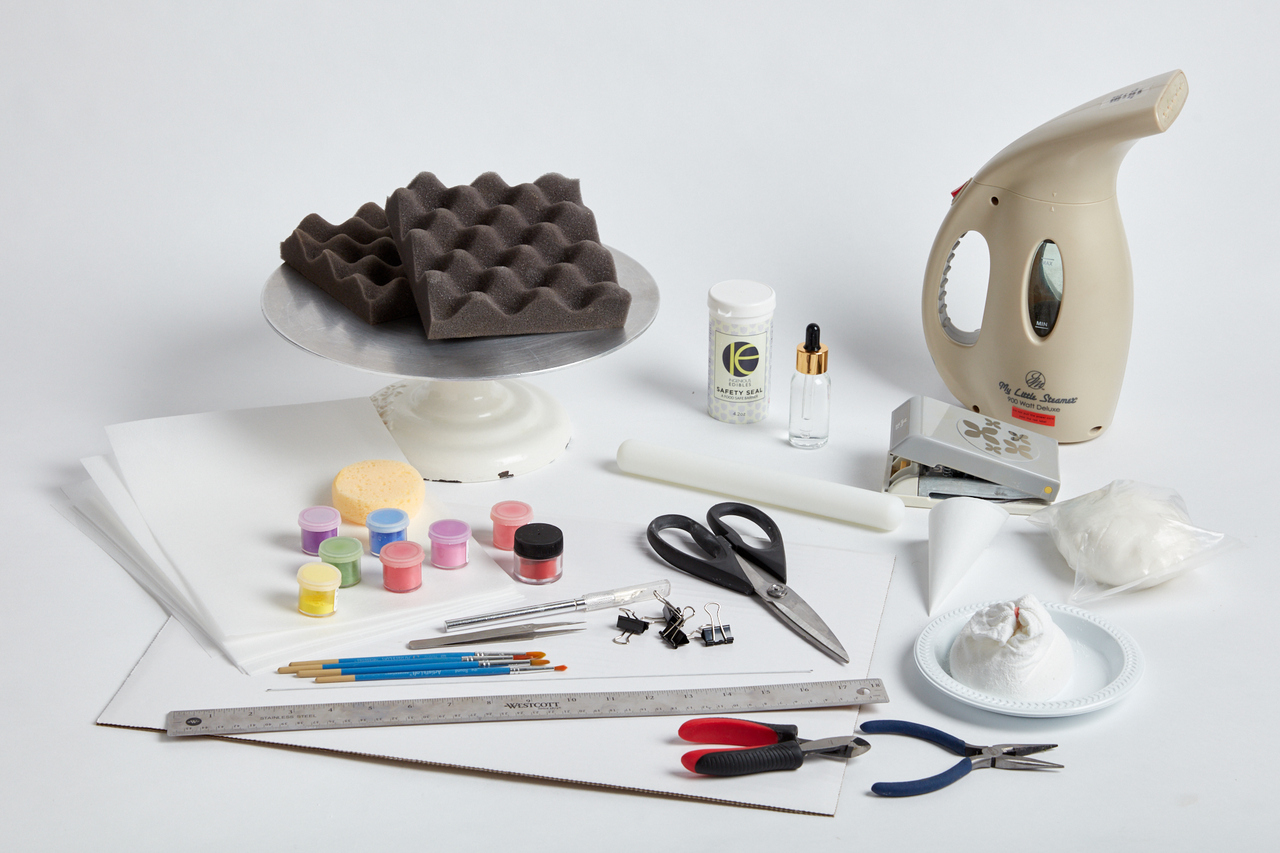
The lessons learned in this section are the cornerstone techniques used for making both beginner and advanced gum paste flowers. Once you’ve mastered these techniques, you will be able to create beautiful gum paste flowers skillfully. |
|
|
Unit Introduction
- Task 212: Unit Introduction and Objectives
- Task 213: Complete a Self-Assessment & Pre-Assessment
|
|
|
Cake Decorating Principles | Beginner Gum Paste Flowers
- Task 214: Cake Decorating Principles | Beginner Gum Paste Flowers
- Task 215: Introduction | Blossom
- Task 216: Introduction | Daisy
- Task 217: Making the Daisy Center
- Task 218: Making the Daisy
- Task 219: Making the Buds
- Task 220: Making the Calyx
- Task 221: Making the Leaves
- Task 222: Assembling the Daisy
- Task 223: Introduction | Carnation
- Task 225: Carnation Mid-Size Flower
- Task 226: Carnation Full-Size Flower
- Task 227: Carnation Calyx
- Task 228: Carnation Finishing Touches
|
|
|
Unit Review & Assessment
- Task 229: Unit Review & Quiz Preparation
- Task 230: Unit Assessment
|
End of Unit 15
|
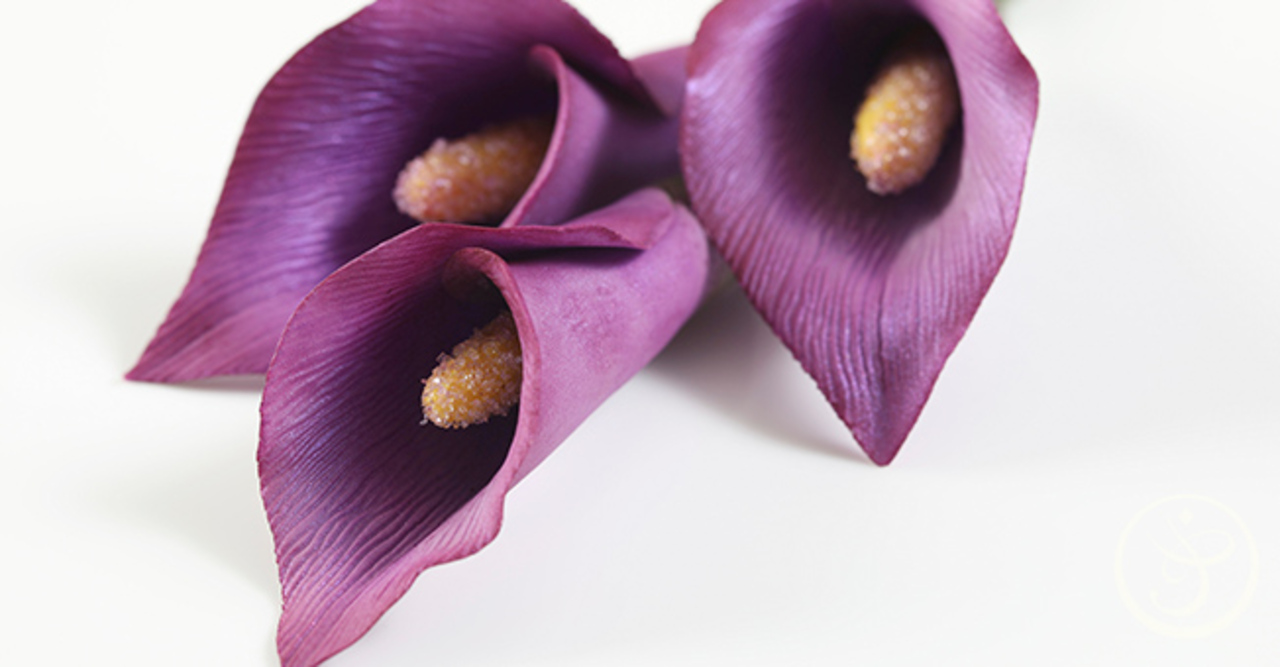
In this unit, you’ll learn complex flower components and tools that help mimic fine flower details. You’ll start by making a rose with multiple petal layers, a bud, calyx, and leaves. |
|
|
Unit Introduction
- Task 231: Unit Introduction and Objectives
- Task 232: Complete a Self-Assessment & Pre-Assessment
|
|
|
Cake Decorating Principles | Advanced Gum Paste Flowers
- Task 233: Advanced Gum Paste Flowers
- Task 234: Introduction | Rose
- Task 235: Unopened Rosebud
- Task 241: Full-Blown Rose
- Task 243: Creating the Ovary
- Task 245: Finishing Touches
- Task 246: Introduction | Hydrangea
- Task 247: Making the Hydrangea Flowers
- Task 249: Hydrangea Leaves
- Task 250: Assembling The Hydrangea Pieces
- Task 251: The Finishing Touches
- Task 252: Introduction | Calla Lily
- Task 253: Calla Lily Spadix
- Task 254: Calla Lily Spathe
- Task 255: Calla Lily Finishing Touches
- Task 256: Introduction | Orchid
- Task 257: Making the Orchid Column
- Task 259: Orchid Sepal & Petals
- Task 260: Assembling the Orchid Pieces
- Task 261: Dusting the Orchid
|
|
|
Unit Review & Assessment
- Task 262: Unit Review & Quiz Preparation
- Task 263: Unit Assessment
|
End of Unit 16
|
In this unit, we’ll offer some packaging and delivering tips to prevent mishaps and some basics on presenting the perfect slice. |
|
|
Unit Introduction
- Task 264: Unit Introduction and Objectives
- Task 265: Complete a Self-Assessment & Pre-Assessment
|
|
|
Cake Decorating Principles| Packaging, Cutting, and Serving Cake
- Task 266: Packaging, Cutting, and Serving Cake
- Task 267: Introduction | Serving Cakes & Garnishing
- Task 268: Introduction | How to Cut a Cake
- Task 269: Introduction | How to Box & Deliver Cakes
|
|
|
Unit Review & Assessment
- Task 270: Unit Review & Quiz Preparation
- Task 271: Unit Assessment
|
End of Unit 17
|
Unit 18 focuses on using modeling chocolate to create three-dimensional designs. Modeling chocolate is an excellent substitute for fondant because it is pliable and dries hard. |
|
|
Unit Introduction
- Task 272: Unit Introduction and Objectives
- Task 273: Complete a Self-Assessment & Pre-Assessment
|
|
|
Cake Decorating Principles | Modeling Chocolate
- Task 274: Cake Decorating Principles | Modeling Chocolate
- Task 275: Introduction | Modeling Chocolate Figures
|
|
|
Unit Review & Assessment
- Task 276: Unit Review & Quiz Preparation
- Task 277: Unit Assessment
|
End of Unit 18
|
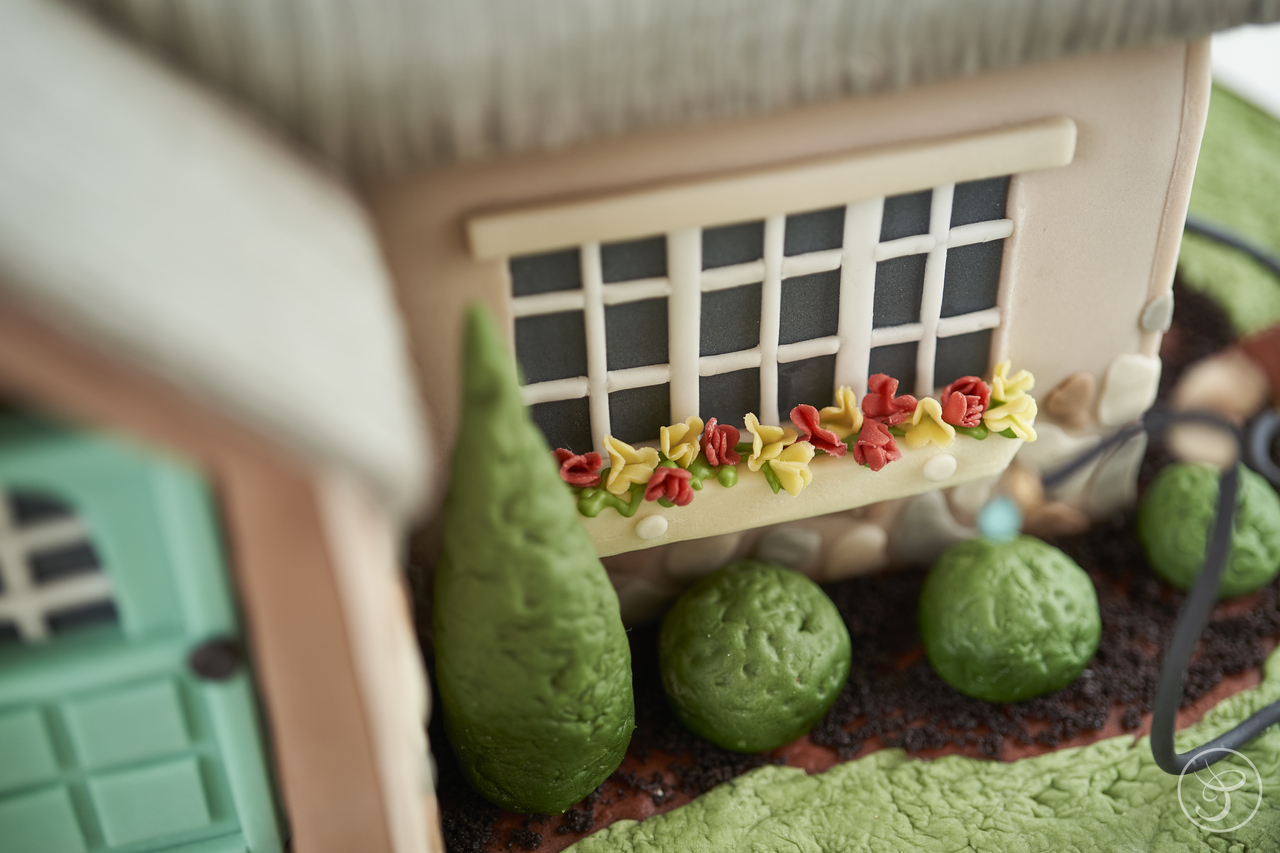
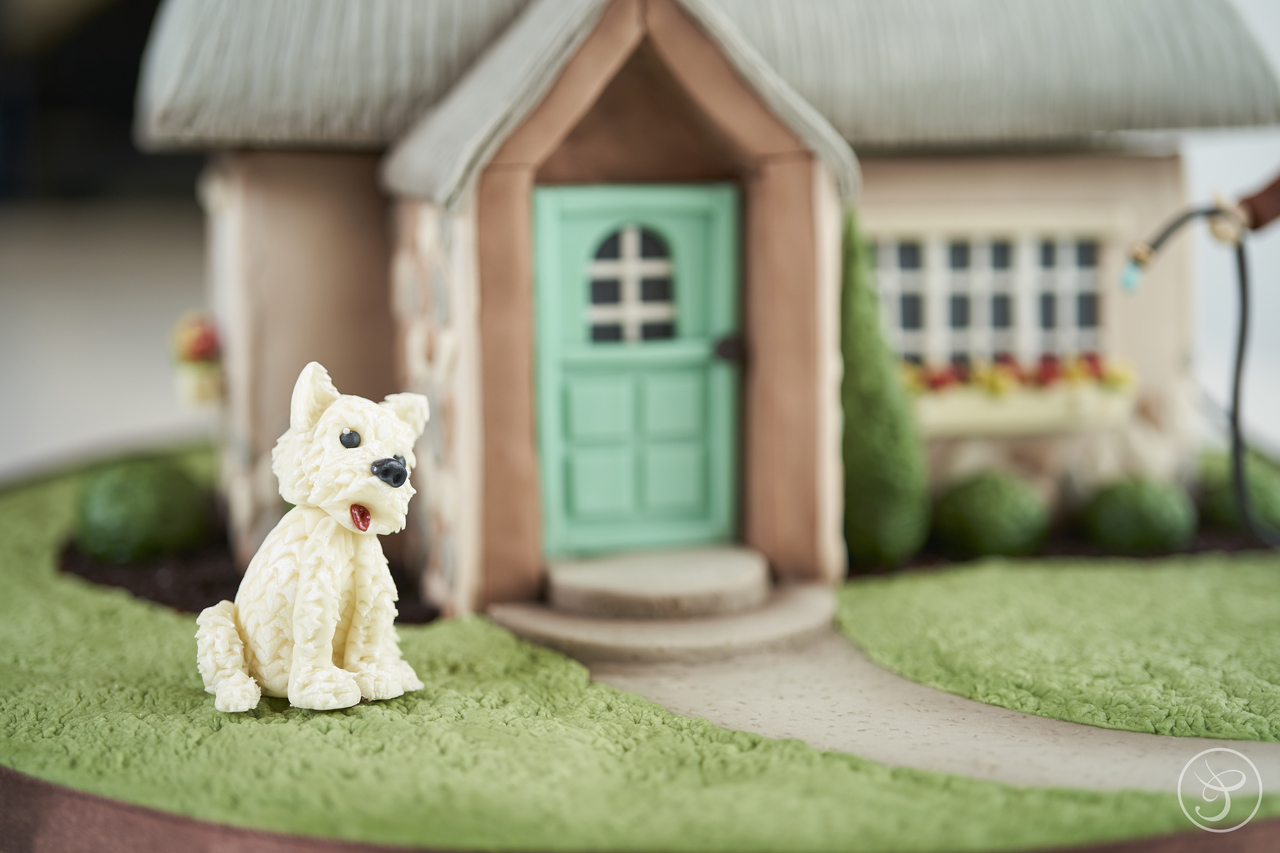
Before you begin the sculpted cottage cake for your capstone project, you’ll prepare the mise en place. The advanced preparation for the cottage cake is extensive, so we’ve dedicated unit 19 for prep. |
|
|
Unit Introduction
- Task 278: Unit Introduction and Objectives
|
|
|
Introduction | Sculpted Cottage Cake Preparation - Preparing the Components
- Task 279: Sculpted Cottage Cake Preparation - Preparing the Components
- Task 280: Prepare the White Cake
- Task 281: Prepare the Swiss Buttercream
- Task 282: Prepare the Rolled Fondant
- Task 283: Prepare the Fresh Egg White Royal Icing
- Task 284: Prepare the Edible Glue
- Task 285: Prepare the Modeling Gum Paste Flower Boxes & Flowers
- Task 286: Prepare the Rice Crispy Mixture for the Sculpted Cottage Cake
|
End of Unit 19
|
The capstone to our Cake Baking and Decorating Arts course represents the culmination of your experience and must be marked with a celebration cake. We challenge you to prepare the components and sculpt a cottage cake for a special event of your choice, like a birthday party. |
|
|
Sculpting a Cottage Cake
- Task 287: Unit Introduction to Sculpting a Cottage Cake
- Task 288: Sculpting a Cottage Cake
|
|
|
Preparations for the Sculpted Cottage Cake
- Task 289: Cutting the Cottage Cake
- Task 290: Making the Tiers
- Task 291: Preparing the Cake for Decorations
- Task 292: Stacking the Roof
- Task 293: Making the Landscape
- Task 294: Preparing the Window Trim & Rice Crispie Door
- Task 295: Adding the Window Trim & House Number Plaque
- Task 296: The Finishing Touches
|
|
|
Final Course Assessment & Resources
- Task 297: Your Final Exam Preparation
- Task 298: Final Exam Review and Preparation
- Task 299: Final Course Assessment
- Task 300: Books, Websites & Other References
|
End of Unit 20
|
Course Description
This course contains the same videos, recipes and instruction as the premium Cake Baking & Decorating Arts course, but without the chef-graded assessments. Developed by The French Pastry School, students will learn the principles of baking science and how to execute more than 80 recipes ranging from classic sponge cake to traditional buttercream.
Course Highlights
- 180-hour | 20 Units | 300+ Tasks | 140 Videos
- More than 140 high-definition instructional videos
- Recognized by the American Culinary Federation Education Foundation as an approved program
- 100% online & self-paced with 17 Chef Graded Assignments
- Certification upon completion
Course Objectives
- Learn how to create and organize an environment for your cake baking & decorating course
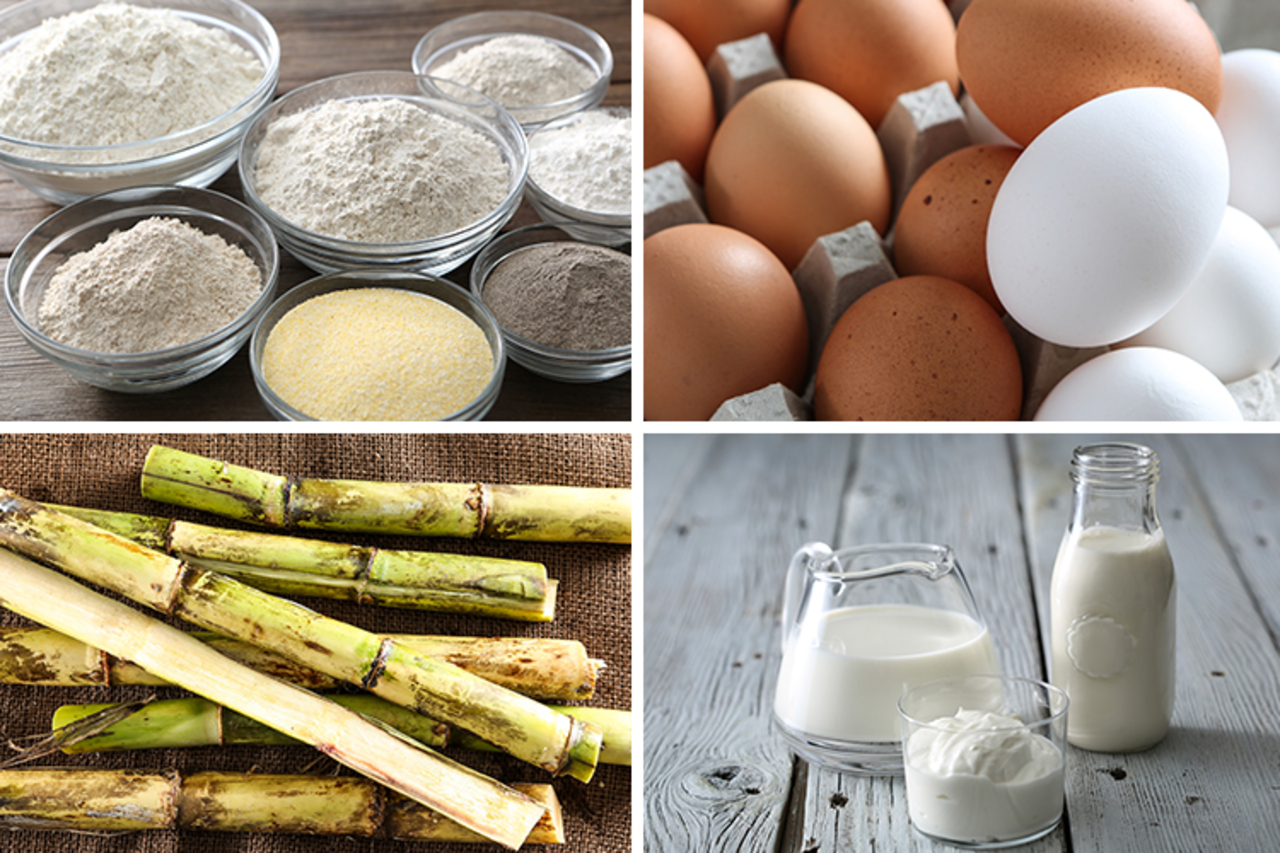
- Understand the fundamental role of cornerstone ingredients in cake making
- Differentiate between the types of fats and how each is applied in recipes
- Understand the different techniques for a hot and cold process sponge
- Understand the different techniques for the three types of buttercream – French, Italian, and Swiss
- Learn how to cover a cake and cake board in rolled fondant
- Learn piping techniques using buttercream and chocolate mediums
- Learn how to flood or fill in a cookie with fluid royal icing
- Learn flooding with royal icing runouts, wings, and collars
- Learn three-string work techniques: basic, Oriental, and Australian Extension
- Recognize the proper consistency of gum paste, modified gum paste, and 50/50 paste
- Learn advanced sugar paste decoration principles to make pearls, ombré effects, ruffles, frills, bas relief, embossing, and stamping
- Identify the use of proper equipment and tools to make basic gum paste flowers
- Learn the principles of three 3-dimensional figures to apply to a sculpted cake
|