All recipes
Chicken Vesuvio

Chicken Vesuvio

4.7 out of 5 · 9 ratings

Log in to rate this recipe.

Active time: 30 min
Total time: 60 min
Serves: 4–6
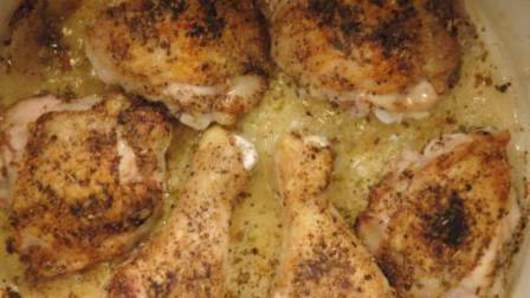
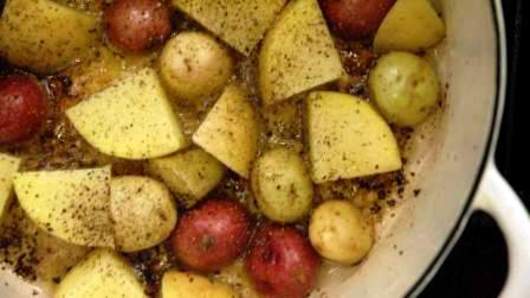
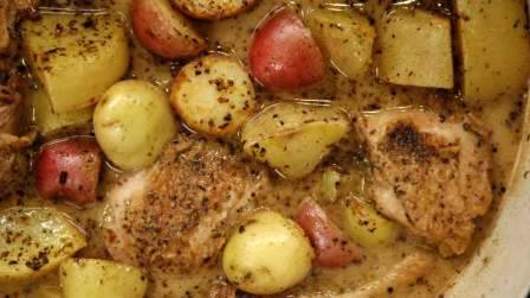
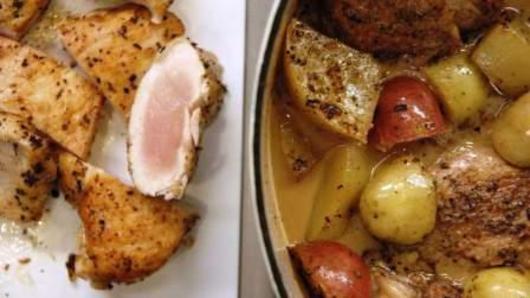
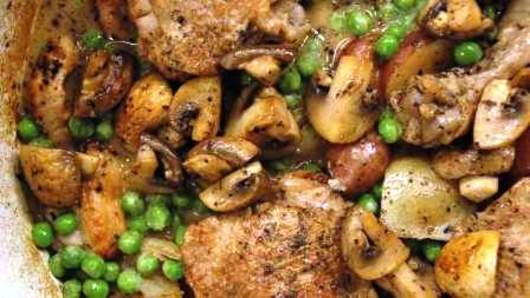
Braised chicken with herbs, wine, garlic, potatoes, mushroom and peas. This Italian-American dish is a specialty in Chicago.

Chef's notes

This makes for a great weekday one-pot meal. Another variation is to add artichokes instead of mushrooms.

The First 3 Are On Us

Help us grow by joining our list and unlock every recipe.

You'll get recipes, tips and offers from Rouxbe by email. Unsubscribe anytime.

Already a member? Log in

17 Comments

  • Evelyn jane G
    Evelyn jane G •
    I love the look of this recipe. I am going to give it a try. I am also wondering if, after browning the chicken, you could not do the rest in a slow-cooker (crock pot) and just add the peas and mushrooms near the end? Good for the working parents!!
  • Dawn T
    Dawn T •
    This would work also, good idea to brown the meat first like you suggested as you will get much more flavor. You are also right about adding the peas and mushrooms just before serving, as they go brown quite quickly due to the acid in the sauce. Enjoy!
  • Linda C
    Linda C •
    I made this dish last night for some friends. It was a big hit, and easy to prepare. I did everything ahead, then combined the mushrooms and peas at the end as suggested. This is a keeper for sure.
  • Carol P
    Carol P •
    I couldn't get this recipe out of my head after seeing the photo in the blog post so made it for dinner the other night. It was fantastic and completely met my building expectations after looking at the picture. A few left over portions were frozen and have already made for one nice quick lunch.
  • Anthony L
    Anthony L •
    Can't wait to cook this, and I'm thinking of wine pairings...to me the unctuousness of the dish points in the direction of the very versatile Pinot Noir (nice acid to pair with, good round mouth feel) especially from Oregon or more southerly Burgundy like Santenay. Pinot Nero or Barbera even - given the heritage of the dish. For whites I was thinking of an Alsatian Riesling, Pinot Gris, or maybe a white Rioja. You all might have better ideas or experience - what do you think?
  • Patrick O
    Patrick O •
    Hi Anthony, I defiantly agree with all your choices and as a self proclaimed Pinot Noir lover that would be my first choice. In my opinion, your choice of region is spot on as well. Most Pinot Noir from California would be too rich and full bodied for this dish, whereas the more typically styled examples from Burgundy, Oregon, Canada, and New Zealand would make a match made in heaven. Other pairings that come to mind would include Chianti Classico, Cru Beaujolais, un-oaked or lightly oaked chardonnay, Viogner (dry), white Bordeaux - dry Sauvignon Blanc/Semillion blends, and Albarino. Actually, it would have been easier to say what wouldn’t go, don’t you think? Cheers,
  • Anthony L
    Anthony L •
    All good choices - I veered away from the more dry and lemony whites (though I really love Albarino and think it's way too underrated) because I thought they might be too far. In the end, we chose a Pinotage from South Africa, and it was perfect. I don't know why I missed the Okanagan Pinots on my first selections - a reserve Quail's Creek would also have worked. As you say, an excellent canvas for pairing as there are so many things that work quite well in different ways.
  • Omar E
    Omar E •
    I am planning on making this dish without the wine. I would use more broth and to maintain the acidity I am thinking of using white wine vinegar (or maybe some lemon juice at the end). How much vinegar would be going overboard? I was thinking something along the lines of 1/2 cup vinegar for 2.5 cups of stock.
  • Dawn T
    Dawn T •
    If using white wine vinegar instead of white wine, obviously you will end up with different result, particularly because this dish calls for a white wine like Pinot Grigio which is a bit sweeter. As for how much white wine vinegar to use, it's hard to say as I have not tried this recipe myself using vinegar. Also some vinegars are more acidic than others. I would say start with about 1/4 cup and then taste the sauce to see how balanced it is (not too tart/acidic etc.). Hope this helps. Cheers!
  • Omar E
    Omar E •
    Yes it does. Now its time for experimenting. Since you said the wine is sweet, I am tempted to add a bit of quality grape juice.
  • Jeanne C
    Jeanne C •
    Dear Rouxbe Staff, This recipe looks soo good! But I don't have a slow cooker or an ovenproof pot, would I still be able to make this recipe on the stove? Jeanne
  • Dawn T
    Dawn T •
    Yes you should still be able to cook this dish on the stovetop, as long as you have a thick bottomed pot that has a lid. Just keep and eye on the heat to ensure the bottom does not burn. Cheers!
  • Robert S
    Robert S •
    I just made this for the first time, and will be serving them tomorrow. I'll be sure to add the mushrooms and peas at the end of reheating - thanks for the tip - but I just tasted the sauce as is, and it tasted a bit acidic. I'm worried I didn't let the wine reduce enough (though it reduced quite a bit). I'm sure there's a way to balance the acidity when I reheat and serve tomorrow, but am not sure what it is. Suggestions? Also, I'm a bit confused about emulsifying fat into the sauce at such a high temperature. I'm worried that it will be greasier than if I had cooked it below 212 Fahrenheit. Rules of thumb? Thanks, as usual, for your awesome help.
  • Dawn T
    Dawn T •
    The acidity should mellow out a bit as it sits overnight. Also note that this dish is generally more of an acidic dish by nature. Also, the type of wine could be a contributing factor and/or the amount it was reduced etc. As for balancing it out if need be you could always try adding a bit of stock. In this case you may need to thicken or reduce the sauce a bit. When you say "confused about emulsifying fat into the sauce" do you mean "why is the dish cooked at a higher temperature?" Many braised dishes are cooked at higher temperatures. You can certainly cook it at a lower temperature the next time if you like. The "rules of thumb" would be that there are not exact rules here. See the lessons on Moist-Heat Cooking, in particular the last topic "Slow and Low Cooking" from the "Combination Cooking Fundamentals" lesson. It often just comes down to time, the particular recipe and what you are looking to achieve. Really though, don't worry too much about it you should be totally fine. Hope you have a great meal. Cheers!
  • A. D
    A. D •
    Nice dish. The dried oregano ends up turning black in the hot oil. Looks kind of weird. Did I do something wrong? Thanks.
  • Demetra S
    Demetra S • Rouxbe Staff •
    Be sure to add just enough oil to thinly cover the bottom of the Dutch oven before adding the chicken pieces. You want to apply the saute method to brown, not fry the seasoned chicken. Too much oil will fry the oregano, and sounds like this is what happened. I am glad it turned out well. Dried oregano packs a punch as its flavors are intensified in the drying process.
  • A. D
    A. D •
    You were right about decreasing the oil. Thanks!

Leave a comment

Please log in, or join the Rouxbe community to leave a comment.